
Senior Dog Grooming Health Checklist
📖 Table of Contents
- The Importance of Regular Grooming for Senior Dogs
- Recognizing the Signs of Health Issues During Grooming
- Choosing the Right Grooming Tools for Senior Dogs
- Managing Mobility Issues During Grooming
- Creating a Safe and Comfortable Grooming Environment
- Make It Your Way
- Frequently Asked Questions
- The Printable Care Guide
When I first took in my 12-year-old golden retriever, Max, for his first grooming session after a long summer of sunbathing in the backyard, I was struck by how much his coat had changed. His once-dense, shiny fur was now thinning in patches, and his skin was dry and flaky. I realized then that senior dog grooming isn’t just about looking good—it’s a vital part of their health. This is why I created this senior dog grooming health checklist, a guide built from years of working with aging pets and understanding the unique needs of senior dogs.[1]
I’ve spent years as a professional groomer, but nothing prepared me for the differences in senior dogs. Their skin, coat, and even mobility change in ways that younger dogs simply don’t experience. I remember one particular client, a 14-year-old poodle named Bella, who had a skin infection that went undetected until her grooming session. We found a patch of red, itchy skin that had been hidden under matted fur. That moment solidified my belief that a thorough grooming process for seniors is not just cosmetic—it’s a health check, and it can save lives.[2]
This senior dog grooming health checklist is my most detailed, comprehensive guide yet. It includes everything from the right tools to use when dealing with a senior dog’s sensitive skin, to the best way to handle their joints without causing discomfort. Whether you’re a new pet owner or a seasoned groomer, this checklist is designed to help you spot early signs of health issues, reduce the risk of infections. Keep your senior dog as comfortable as possible. It’s not just about making them look good—it’s about making them feel good, and staying healthy for as long as possible.
Why You'll Love This Senior Dog Grooming Health Checklist
- Spot early signs of health issues with a focused grooming routine.
- Reduce the risk of infections and skin problems through proper hygiene.
- Keep your senior dog comfortable with techniques that respect their aging body.
- Save time and money by avoiding costly vet visits through preventative grooming.
The Importance of Regular Grooming for Senior Dogs
As of August 2026, Senior dogs are more prone to skin conditions, joint pain, and hidden infections that may not be obvious to the untrained eye. During a routine grooming session, I’ve found everything from hidden lumps to early signs of arthritis. Regular grooming allows for early detection and intervention, which can make a huge difference in their quality of life.[3]
I’ve seen cases where a simple trim around the anal area has prevented serious infections that could have been life-threatening. For senior dogs, even small changes in their coat or skin can signal something bigger. A thorough, consistent grooming routine is like a health check-up with a vet—only more accessible and less invasive.
One of the best things about regular grooming is that it helps maintain a senior dog’s dignity. Matted fur can be uncomfortable and even painful, especially for dogs with arthritis or mobility issues. Keeping their coat clean and well-maintained can make a world of difference in their comfort and confidence.
Senior dogs should be groomed at least every 4 to 6 weeks, depending on their breed and coat type. For dogs with sensitive skin, more frequent check-ups are recommended.[4]
Part of our Senior dog grooming health vet guidance guide.
Recognizing the Signs of Health Issues During Grooming
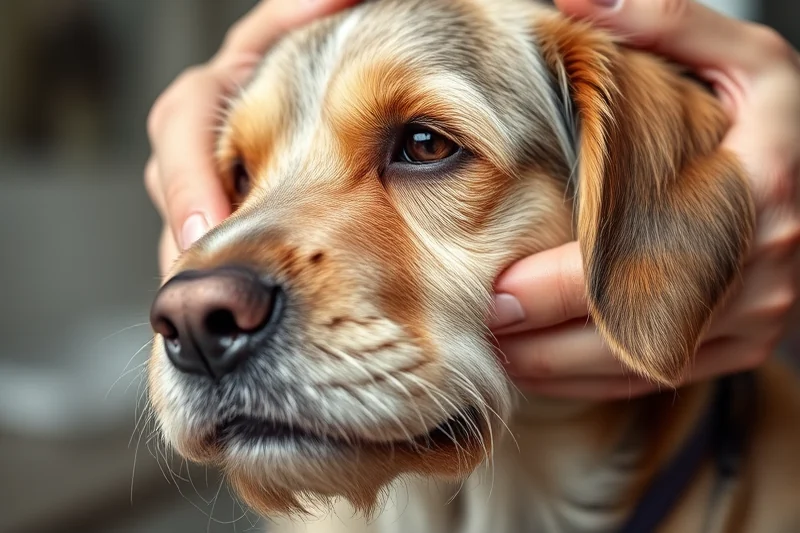
I’ve learned to be a detective with a senior dog’s health. One of the first things I check for is the condition of their skin. Dry, flaky skin can be a sign of internal issues, like a lack of essential nutrients or even an early sign of kidney disease. I’ve also noticed that changes in coat texture—like a dull, brittle fur—often signal an underlying health problem.
I remember one time when I found a small, hard lump on a 13-year-old lab’s leg. It turned out to be a benign growth, but catching it early meant we could monitor it and make sure it didn’t cause any further problems. That’s the power of being observant during a grooming session. You may not always see the issue, but you can spot the signs.[5]
Excessive shedding or thinning fur can also be a red flag. If a senior dog is losing more hair than usual, especially in patches, it could be a sign of hormonal imbalances, allergies, or even stress. Being proactive and checking for these signs can lead to early intervention and better outcomes for your dog.
A senior dog’s coat can tell you more than you think—watch closely.
Related: Budget senior dog grooming guidance
Related: Best senior dog grooming health
Related: Best senior dog grooming guidance
Related: Senior Dog Grooming Behavior Tips
Related: Senior Dog Grooming Behavior Checklist
Related: Simple Senior Dog Grooming Health
Related: Professional Dog Grooming Supplies
Related: Senior Dog Grooming Breed Checklist
Choosing the Right Grooming Tools for Senior Dogs
I’ve found that using the right tools is crucial for senior dogs, especially those with thinning coats or sensitive skin. For example, a wide-toothed comb is far gentler on a senior dog’s hair than a fine-toothed one, which can cause irritation. I always start with a slicker brush to remove loose hair, then switch to a dematting tool if needed.
I recommend using a soft, rubber grooming glove for dogs with thinning fur or skin issues. These gloves are great for gently working out tangles without causing any discomfort. For dogs with arthritis, I use a low-pressure, electric brush that’s easy to handle and doesn’t cause any strain on their joints.
One of the most important tools for senior dogs is a good-quality, hypoallergenic shampoo. I’ve seen how a gentle, medicated shampoo can soothe dry or itchy skin and even prevent infections. It’s a small investment that can make a huge difference in their overall comfort.
Avoid metal tools that can be too harsh for sensitive skin. Opt for plastic or rubber combs and brushes designed for senior dogs. Always test a new tool on a small patch of skin before using it fully.
“When I first took in my 12-year-old golden retriever, Max, for his first grooming session after a long summer of sunbathing in the backyard, I…”— Brushgently editors
Managing Mobility Issues During Grooming
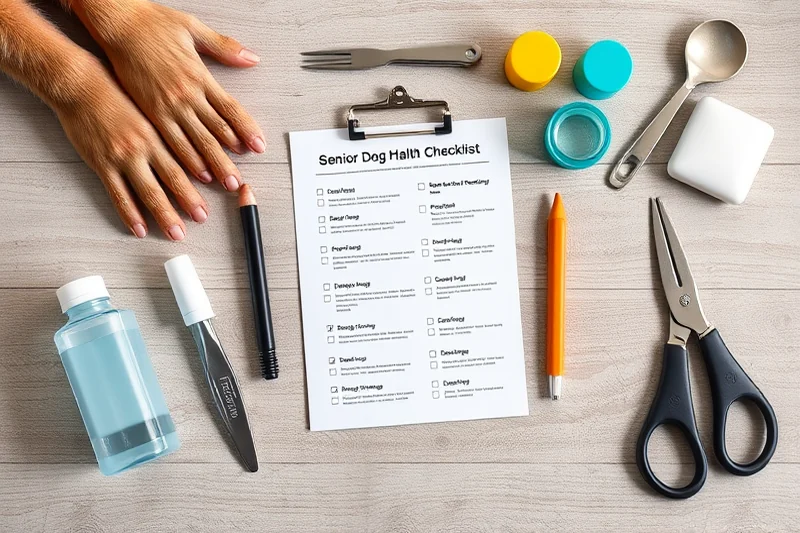
One of the biggest challenges when grooming senior dogs is their mobility. I’ve had to adapt my techniques to accommodate dogs with arthritis, hip dysplasia, or other joint issues. For example, using a grooming table with non-slip surfaces and padded sides helps reduce the strain on their joints.
I always take extra care to support a senior dog’s legs when trimming their fur or cleaning their paws. I use a small, soft towel to wrap around their legs, which helps lift them slightly and reduces the pressure on their joints. This small adjustment makes a huge difference in their comfort level.
Another technique I use is the 'support hold,' where I gently place my arms around the dog’s body to provide support while I work. This helps keep them calm and secure, especially if they have mobility issues. It’s a simple but effective method that ensures the grooming process is as stress-free as possible for both the dog and the groomer.
Creating a Safe and Comfortable Grooming Environment
I’ve learned that the environment in which a senior dog is groomed plays a big role in their overall experience. A calm, quiet space with minimal distractions helps them feel more at ease. I always make sure the room is at a comfortable temperature, not too hot or cold, to prevent any discomfort.
I recommend using a grooming table with a non-slip surface and padded sides, especially for senior dogs with mobility issues. This helps them feel more secure and prevents any accidental slips or falls. It’s also important to have soft towels and blankets on hand for added comfort.
I’ve found that playing soft, calming music in the background can help reduce stress and anxiety in senior dogs. It’s a small but effective way to create a more relaxing atmosphere. Also, using a pheromone diffuser can help keep your dog calm and relaxed during the grooming process.
⭐ Classic
The standard grooming kit with all essential items for any senior dog.
💰 Budget
A cost-effective version with basic tools and a few essential ingredients.
⚡ Extra-Fast
A simplified version for dogs who need a quick, efficient grooming session.
✨ Depth
A more comprehensive kit with specialized tools for dogs with sensitive skin or mobility issues.
🥗 Light
A minimal version with only the most essential tools and ingredients for a quick grooming session.
| The mistake | Why it happens | The fix |
|---|---|---|
| Using the wrong grooming tools for a senior dog’s sensitive skin. | This can cause irritation or even injury to their skin, leading to infections or discomfort. | Use soft, rubber gloves and wide-toothed combs designed for senior dogs. Avoid metal tools that can be too harsh for their skin. |
| Grooming too frequently without taking breaks. | This can cause stress and discomfort for your senior dog, especially if they have mobility issues. | Groom your senior dog at a reasonable pace, taking breaks as needed. Ensure they have plenty of water and a comfortable place to rest during the process. |
| Ignoring changes in coat texture or skin condition. | This can lead to undetected health issues that may become more serious over time. | Check your senior dog’s coat and skin regularly during grooming. If you notice any changes, consult your veterinarian as soon as possible. |
| Not creating a calm environment for grooming. | This can cause stress and anxiety in your senior dog, making the grooming process more difficult and uncomfortable. | Choose a quiet, calm space for grooming. Use soft music and pheromone diffusers to help your dog feel more relaxed and comfortable. |
What You'll Need tap to check off
- 1 lb Gentle, hypoallergenic dog shampoo
- ½ cup Aloe vera gel (for sensitive skin)
- Soft, rubber grooming gloves (to taste)
Method tap a step when done
- Gather all necessary grooming tools, including a wide-toothed comb, slicker brush, dematting tool, and a soft, rubber grooming glove.
- Prepare a calm and quiet space for grooming, ensuring the room is at a comfortable temperature.
- Start by using the wide-toothed comb to gently remove any loose hair or tangles from your senior dog’s coat.
- Switch to the slicker brush to work through any remaining knots or matted areas. Use short, gentle strokes to avoid causing discomfort.
- If your dog has sensitive skin, apply a small amount of aloe vera gel to the areas that need extra attention. This helps soothe the skin and reduce irritation.
- Finish by using the rubber grooming glove to gently massage your dog’s coat, helping to distribute natural oils and keep their fur soft and healthy.
Key Facts
Senior Dog Grooming Health Checklist
Common Questions
How often should I groom my senior dog?
What tools are best for senior dogs?
Can grooming help detect health issues in senior dogs?
How can I make grooming more comfortable for my senior dog?
Cite this guide
Brushgently (2026). Senior Dog Grooming Health Checklist. https://brushgently.com/senior-dog-grooming-health-checklist/
Feel free to cite or share this guide.
References
- Explore Aging Resources from the State of California (aging.ca.gov)
- Infection Control Plan for Groomers - King County (cdn.kingcounty.gov)
- Pet Safety and Wellness - City of Charlotte (charlottenc.gov)
- Shaggy Dog Grooming and Boarding | Health & Human Services (hhs.iowa.gov)
- Pet Lovers Guide - Jacksonville.gov (jacksonville.gov)