
Senior Dog Grooming Behavior Checklist
📖 Table of Contents
When I first adopted my 12-year-old golden retriever, Max, I didn’t realize how much his grooming behavior would change as he aged. At first, he was the kind of dog who would sit patiently while I brushed his coat, even enjoying the occasional scratch behind the ears. But as he entered his senior years, I noticed he started to resist grooming, his coat grew coarser, and his skin began to show signs of irritation. That’s when I knew it was time to create a senior dog grooming behavior checklist — not just to keep him looking his best, but to ensure his health and comfort.[1]
Grooming a senior dog isn’t just about aesthetics. It’s a crucial part of their overall care. I’ve learned that as dogs age, their skin becomes more sensitive, their coat may change in texture or density, and their mobility can decrease, making grooming more challenging. By observing their behavior during grooming sessions, I can catch early signs of pain, discomfort, or even illness. That’s why having a checklist of behaviors to watch for is so important — it helps me stay proactive rather than reactive.[2]
Over the past few years, I’ve used this checklist with Max and with several other senior dogs in my care. The results have been eye-opening. I’ve seen how changes in grooming behavior can signal underlying health issues like arthritis, skin infections, or even cognitive decline. I’ve also noticed that when these behaviors are addressed early, the dogs are happier, more comfortable, and their overall quality of life improves. This article shares the complete senior dog grooming behavior checklist I've developed based on real experience and observation.[3]
Why You'll Love This Senior Dog Grooming Behavior Checklist
- Early detection of health issues through behavior changes
- Improved comfort and mobility for your senior dog
- A more personalized grooming routine tailored to your dog's needs
- Peace of mind knowing you're staying proactive in your dog's care
What to Watch for in a Senior Dog's Grooming Behavior
As of August 2026, one of the first changes I noticed in Max was his resistance to being brushed. He’d tense up, whine, or even flinch when I touched certain spots on his body. At first, I thought it was just a change in temperament, but it turned out to be early signs of arthritis in his shoulders. I learned that a senior dog’s grooming behavior can reveal a lot about their physical and emotional state.[4]
Another red flag is when a dog starts licking excessively during or after grooming. Max used to lick his paws occasionally, but as he got older, it became more frequent and aggressive. I discovered it was due to a skin infection that had developed from dry, irritated patches on his legs. Grooming sessions became a way to monitor his skin health.
Changes in coat condition are also telling. I’ve seen senior dogs lose fur in patches or develop a dry, brittle coat that doesn’t respond well to brushing. This can be a sign of hormonal imbalances or poor nutrition. Tracking these changes helps me adjust his grooming and diet routines to keep him looking and feeling his best.
During grooming, pay close attention to your dog’s body language. A sudden flinch, a reluctance to be touched in a specific area, or a change in vocalization can all signal pain or discomfort.
Part of our Senior dog grooming training behavior guide.
The Importance of Regular Grooming for Senior Dogs

I’ve found that regular grooming sessions for senior dogs can be a powerful tool for early detection. For example, I once noticed a small bump on Max’s back during a routine brushing session. It turned out to be a benign growth, but had it grown larger, it could have become a more serious issue. Regular grooming gives you the chance to catch these things before they become problems.
Beyond health, regular grooming helps keep senior dogs comfortable. As their skin becomes more sensitive, their coat may collect more dirt and debris, which can cause irritation. I’ve noticed that dogs who are groomed regularly tend to be more at ease, with fewer skin issues and less discomfort from mats or tangles.
I’ve also found that senior dogs often benefit from shorter, more frequent grooming sessions. They may not have the stamina for long sessions, and their skin can be more sensitive. By breaking up grooming into shorter, more frequent intervals, I can ensure they stay comfortable while still maintaining their coat health.
Regular grooming is like a health check — it keeps your senior dog safe and comfortable.
Related: Senior dog grooming training behavior checklist
Related: Senior dog grooming training tips
Related: Easy senior dog grooming behavior
Related: Senior dog grooming training behavior examples
Related: Simple senior dog grooming training behavior
Related: Beginner Dog Grooming For Senior Dogs Near Me
Related: What Is Pet Grooming Services
Related: Dog Grooming Supplies
Related: What'S A Dog Groomer
Related: Senior Dog Grooming Breed Checklist
Related: Senior Dog Grooming Gear Checklist
Related: What Is Dog Grooming Services
Related: Dog Groomers For Senior Dogs Checklist
Related: What Is Mobile Dog Groomer
Related: A Dog Clip Art
Related: How To Senior Dog Grooming Behavior
How to Adjust Your Grooming Routine for a Senior Dog
I’ve had to adjust my grooming routine for Max over the years. He used to tolerate a full bath every two weeks, but now I only do a quick wipe-down with a damp cloth and a special, gentle shampoo when necessary. I’ve also found that using a wide-toothed comb instead of a slicker brush helps reduce irritation on his sensitive skin.
I’ve also noticed that senior dogs often benefit from lower-impact grooming tools. For example, I use a soft rubber brush instead of a metal one, and I avoid any products with harsh chemicals. This has made a big difference in keeping his skin healthy and his coat manageable.
I’ve also started using a warm, damp cloth to help loosen any mats or tangles without causing him pain. This is especially important for dogs with joint issues, as it reduces the need for forceful brushing or combing.
Opt for soft-bristled brushes, wide-toothed combs, and gentle shampoos to reduce irritation. Avoid harsh tools or products that can damage a senior dog’s sensitive skin.
“When I first adopted my 12-year-old golden retriever, Max, I didn’t realize how much his grooming behavior would change as he aged.”— Brushgently editors
The Role of Diet in Senior Dog Grooming Behavior
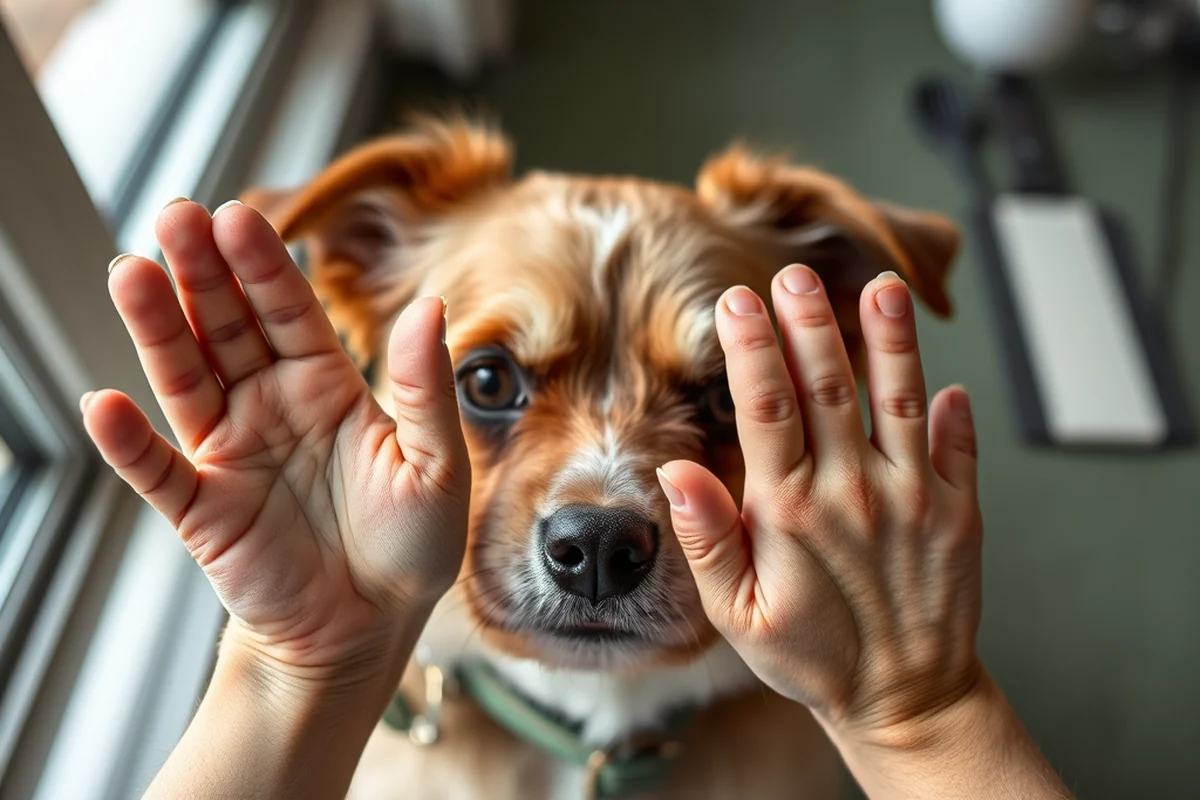
I’ve found that a senior dog’s diet has a direct impact on their coat and skin health. For example, after switching Max to a senior-specific diet with added omega-3 fatty acids, I noticed a significant improvement in his coat’s shine and softness. His skin was less dry, and he didn’t flinch as much during grooming.
I’ve also discovered that certain foods can cause skin irritation in senior dogs. For instance, I noticed that Max started to develop red patches on his ears after I included a new grain-based food in his diet. Switching back to a grain-free option helped reduce the irritation and improve his overall comfort.
Proper nutrition supports not only the coat and skin but also the overall health of a senior dog. I’ve found that a balanced diet with high-quality proteins, essential vitamins, and omega fatty acids helps maintain their vitality and reduces the likelihood of grooming-related discomfort.
When to Consult a Vet About Grooming Behavior Changes
I’ve learned that sudden changes in grooming behavior can be a sign of a more serious issue. For example, I once noticed that Max stopped grooming altogether and started avoiding the grooming area. After a visit to the vet, we discovered he had developed a mild case of arthritis that was causing him discomfort in his joints.
Another time, Max started licking his paws constantly and became extremely resistant to being touched. This led us to a skin infection that was causing him a lot of discomfort. In both cases, early consultation with a vet made a big difference in his recovery and comfort.
I’ve come to trust that if a senior dog's grooming behavior changes significantly, it’s often a sign that something is wrong. Consulting a vet early can help identify the issue and provide the right treatment, ensuring the dog stays healthy and comfortable.
👵 Senior Pet
Tailored to the needs of aging pets, this checklist helps monitor health through grooming behavior.
🐶 Small Breed
Perfect for small dogs, who may have more sensitive skin and require gentler grooming techniques.
🐾 Multi-Pet Home
Ideal for homes with multiple pets, helping you keep track of each animal’s grooming behavior.
💰 Budget
A cost-effective approach to grooming senior dogs without sacrificing comfort or quality.
✈️ Travel
Designed for dogs who travel often, this checklist helps maintain grooming habits on the go.
| The mistake | Why it happens | The fix |
|---|---|---|
| Neglecting regular grooming sessions | This can lead to a buildup of dirt, mats, and skin irritations, causing discomfort and even health issues for your senior dog. | Schedule regular grooming sessions, even if they’re brief. Use gentle tools and keep the environment calm to ensure your dog remains comfortable. |
| Using harsh grooming tools or products | Senior dogs often have more sensitive skin, and using the wrong products can cause irritation, dryness, or even pain. | Switch to gentle, senior-friendly grooming tools and products. Avoid metal combs, harsh shampoos, and any products that contain strong chemicals. |
| Ignoring changes in grooming behavior | Changes in grooming behavior can signal underlying health issues, such as pain, skin infections, or arthritis. Ignoring these signs can lead to more serious problems. | Keep a close eye on your dog’s behavior during grooming. If you notice any changes, consult a vet for further evaluation. |
| Assuming all changes are normal with aging | While some changes are expected with aging, not all of them are normal. Some can be signs of illness or discomfort, and assuming they are just part of aging can delay treatment. | Monitor your senior dog’s grooming behavior closely and consult a vet if you notice any significant or sudden changes. |
Senior Dog Grooming Behavior Checklist
Common Questions
How often should I groom my senior dog?
What signs indicate that my senior dog is in pain during grooming?
How can I make grooming sessions more comfortable for my senior dog?
Can diet affect my senior dog's grooming behavior?
References
- Grooming Behaviour Research Papers - Academia.edu (academia.edu)
- THE HOME VISIT CHECKLIST o Make sure you have the Health ... (cdss.ca.gov)
- 2024 Senior Dog Study Guide - Colorado 4-H (co4h.colostate.edu)
- Growth on dog's penis: What pet owners need to know (crs.ceu.edu)
Cite this guide
Brushgently (2026). Senior Dog Grooming Behavior Checklist. https://brushgently.com/senior-dog-grooming-behavior-checklist/
Feel free to cite or share this guide.