
What Is Grooming For Dogs
📖 Table of Contents
- The Basics of Grooming: Why It Matters
- Trimming Nails: A Simple Task With Big Impacts
- The Role of Ear Care in Grooming
- Dental Care: The Often-Overlooked Grooming Task
- Coat Maintenance: The Heart of Grooming
- The Grooming Routine: What to Include
- When to Seek Help: Professional Grooming and Vets
- Make It Your Way
- Frequently Asked Questions
The first time I clipped my dog’s nails, I was met with a chorus of yelps and a flailing hind leg. It wasn’t pretty, but it was a moment that taught me just how important grooming is for dogs. That day, I realized that grooming isn’t just about looks — it’s about health, comfort, and the bond between pet and owner. As I learned more, I discovered that grooming for dogs is a deeply personal and necessary part of their care, whether you’re brushing a thick coat or trimming a stubborn tuft.
Grooming for dogs is often misunderstood as a task reserved for show dogs or those with elaborate coats. In reality, it’s a critical aspect of pet care for every dog, regardless of breed, size, or lifestyle. I’ve seen the difference it makes in my own dogs, from the way their skin breathes after a thorough bath to the way they move more freely without matted fur dragging them down. It’s not just about keeping them clean — it’s about keeping them healthy and happy.
Over the years, I’ve become a self-proclaimed dog grooming enthusiast. I’ve learned that grooming for dogs is more than a routine chore — it’s a way to connect with your pet and ensure their well-being. Whether you’re brushing out tangles, trimming nails, or checking for skin issues, the benefits are tangible. I’ve found that regular grooming can prevent a host of problems, from infections to mobility issues, and it’s a practice that every responsible pet owner should embrace.
Why You'll Love This Grooming Guide
- Prevent health issues like skin infections and matting
- Improve your dog’s comfort and mobility
- Strengthen your bond through routine care
- Save money on vet bills by staying proactive
The Basics of Grooming: Why It Matters
As of September 2026, Grooming for dogs starts with the basics: brushing, bathing, and nail trimming. These are the cornerstones of any grooming routine. I’ve noticed that dogs with regular grooming routines have fewer skin irritations and are more active. It’s not just about aesthetics — it’s about keeping their skin healthy and reducing the risk of infections.
I’ve found that brushing alone can make a huge difference. A dog with a double coat, like my German Shepherd, needs to be brushed at least twice a week to prevent matting. Mats not only look bad but can cause discomfort, even leading to skin sores if left unattended. I’ve seen the difference it makes in my dog’s mobility after just a few sessions.
Bathing is another key part of grooming. I use a mild, dog-specific shampoo and bathe my dogs every three weeks. I’ve learned that over-bathing can strip the natural oils from their skin, leading to dryness and irritation. Finding the right balance is crucial to keeping their coat healthy and their skin happy.
Even a short brushing session can keep mats at bay and distribute natural oils throughout the coat.
Part of our Senior dog grooming guide.
Trimming Nails: A Simple Task With Big Impacts
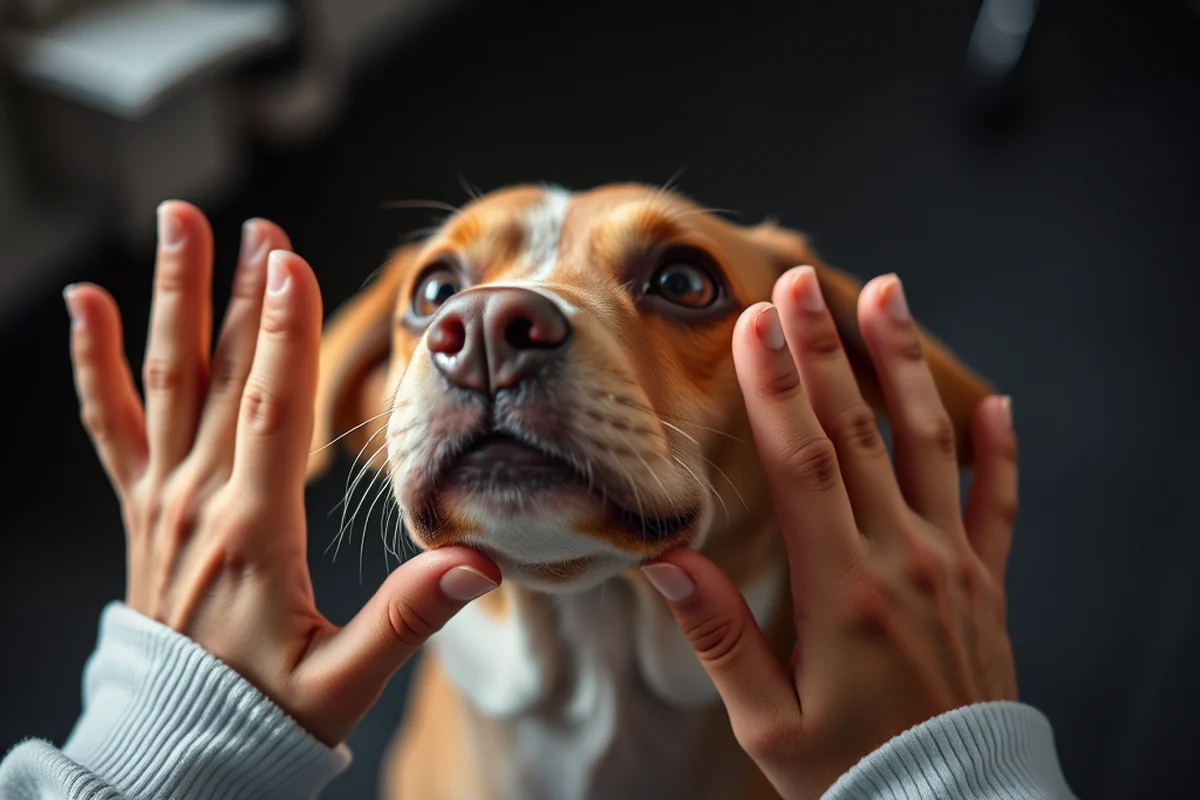
Trimming a dog’s nails is one of the most important aspects of grooming that many people overlook. I remember the first time I clipped my dog’s nails — it took me two full sessions to get them used to the clippers. Now, it’s a quick and stress-free process that takes about 10 minutes.[1]
I’ve found that trimming nails every three weeks helps prevent overgrowth, which can lead to discomfort and even injury. I use a guillotine-style nail trimmer and always keep styptic powder on hand in case I accidentally cut the quick. My dog’s nails are now a healthy pink color, and he moves with more ease.
Overgrown nails can cause a range of problems, from difficulty walking to joint strain. I’ve watched my dog’s posture improve significantly since we started a regular nail-trimming routine. It’s a small effort with a big payoff.
A dog’s nails are the foundation of their mobility — keep them short, and the rest follows.
Related: Dog groomers for senior dogs ideas
The Role of Ear Care in Grooming
I was surprised to learn just how important ear care is in grooming for dogs. My dog, a golden retriever, used to have a persistent odor coming from his ears. After consulting a vet, I learned that ear infections are a common issue for dogs with floppy ears.
I now clean my dog’s ears once a week using a vet-recommended ear cleaning solution. I use a cotton ball soaked in the solution, gently wiping the inside of his ears. The process takes about five minutes, and I’ve noticed a significant decrease in odor and irritation.[2]
I’ve also learned that leaving ear wax to build up can lead to infections and hearing loss. Regular cleaning is a simple yet effective way to prevent these issues. My dog now has clearer ears and fewer signs of discomfort.
Avoid using cotton swabs — they can push wax deeper into the ear canal. A soft cloth or cotton ball is safer and more effective.
“The first time I clipped my dog’s nails, I was met with a chorus of yelps and a flailing hind leg.”— Brushgently editors
Related: Dog grooming at home comparison
Dental Care: The Often-Overlooked Grooming Task
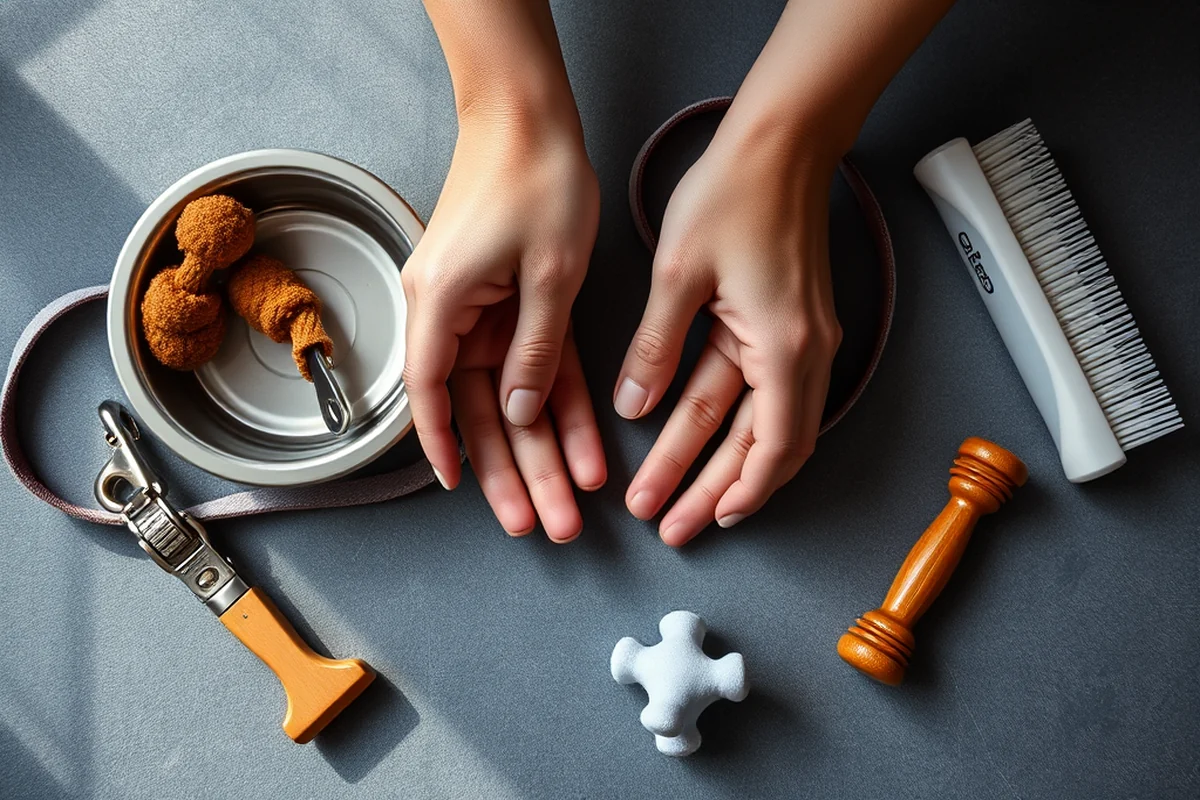
I used to think dental care was something only professional groomers dealt with. But after my dog started showing signs of bad breath and difficulty eating, I realized just how important it was. I now brush my dog’s teeth every other day using a dog-specific toothpaste and a soft-bristled brush.
I’ve learned that plaque buildup can lead to serious health issues, including heart and kidney problems. Regular dental brushing is a simple way to prevent these complications. I’ve also started using dental chews and treats to help keep his teeth clean between brushings.
The results have been impressive. My dog no longer has bad breath, and his teeth are visibly cleaner. I’ve noticed that he’s more willing to eat and chew his toys without hesitation. It’s a small effort with a huge impact on his overall health.
Related: Small dog grooming at home
Coat Maintenance: The Heart of Grooming
For dogs with thick or long coats, regular coat maintenance is a must. I have a Shih Tzu who needs daily brushing to prevent matting. I use a slicker brush and a comb to work through any tangles. It takes about 15 minutes a day, but it’s worth it for the results.[3]
I’ve learned that leaving mats unattended can cause skin irritation and even sores. I now use a detangling spray to make the process easier. It’s a small investment that has made a big difference in my dog’s comfort and mobility.
In addition to brushing, I also trim the hair around my dog’s ears and paws to prevent mats from forming there. It’s a small detail that makes a huge difference in his overall grooming experience.
Related: Easiest grooming small dogs printable
The Grooming Routine: What to Include
A consistent grooming routine is the key to keeping your dog healthy and happy. I’ve developed a routine that includes brushing, bathing, nail trimming, ear cleaning, and dental care. Each of these steps plays an important role in maintaining my dog’s overall health.
I schedule grooming sessions every week, even if I can only manage a few minutes. I’ve found that consistency is more important than the length of each session. My dog now expects regular grooming and is more cooperative as a result.
I’ve also learned to listen to my dog’s body language. If he seems uncomfortable or anxious during a grooming session, I take a break and come back later. It’s all about making the experience positive and stress-free for both of us.
A routine that works for your dog is better than one that’s perfect on paper.
Related: Cheap free pet grooming for seniors
When to Seek Help: Professional Grooming and Vets
There are times when professional grooming is necessary — especially for dogs with heavy coats or special needs. I’ve had my dog professionally groomed a few times, and it’s made a huge difference. The groomer is able to do a more thorough job than I ever could at home.
I’ve also learned that there are certain health issues that require a vet’s attention. For example, if my dog has persistent skin irritation or a bad odor, I know it’s time to consult a vet. They can help identify the root cause and provide appropriate treatment.
I always make sure to check with my vet before starting any new grooming routine. They can offer valuable advice on the best products and techniques to use. It’s a small step that can prevent bigger problems down the road.
🦠 Senior Pet Grooming
Senior dogs may need gentler approaches to grooming, such as using softer brushes and more frequent skin checks.
🐶 Small Breed Grooming
Small breeds often have different grooming needs, including more frequent nail trimming and ear cleaning.
🐾 Multi-Pet Home Grooming
When managing multiple pets, it’s important to have grooming products and tools on hand for each animal.
💰 Budget-Friendly Grooming
With a little planning, you can create an effective grooming routine without breaking the bank.
✈️ Travel Grooming
When traveling with your dog, consider packing portable grooming tools and finding vet-approved products to use on the go.
| The mistake | Why it happens | The fix |
|---|---|---|
| Skipping regular grooming sessions | Neglecting grooming can lead to matted fur, skin infections, and discomfort for your dog. | Establish a consistent grooming schedule and stick to it, even if it means starting with short sessions. |
| Using human products on dogs | Human shampoos and lotions can be too harsh for a dog’s sensitive skin and may cause irritation. | Always use pet-specific grooming products that are safe and gentle for your dog’s skin and coat. |
| Trimming nails too short | Cutting a dog’s nails too short can cause pain and bleeding, leading to stress and fear during future grooming sessions. | Use a nail trimmer with a guard and always trim slowly, avoiding the quick. If in doubt, consult a vet or professional groomer. |
| Ignoring dental care | Poor dental hygiene can lead to serious health issues, including heart and kidney problems. | Brush your dog’s teeth regularly using a dog-specific toothpaste and consider incorporating dental chews into their routine. |
What Is Grooming For Dogs
Common Questions
How often should I groom my dog?
What tools do I need for dog grooming?
How do I make grooming easier for my dog?
What should I do if my dog resists grooming?
References
- Barriers to and facilitators of pet grooming among clients served by a ... (pmc.ncbi.nlm.nih.gov)
- What is the Importance of Regular Dog Ear Care? - Merryfield (merryfield.edu)
- How to keep your pet's coat healthy | Virginia Tech News (news.vt.edu)
Cite this guide
Brushgently (2026). What Is Grooming For Dogs. https://brushgently.com/what-is-grooming-for-dogs/
Feel free to cite or share this guide.