
Senior Dog Grooming Training Guide
📖 Table of Contents
I remember the first time I tried to brush my 12-year-old golden retriever, Max. He used to be a joy to groom, but as he aged, his coat became matted and his joints stiffened. It was a lesson in patience and understanding — senior dog grooming is different from what we've done with younger pets. This guide is the result of years of trial, error, and learning from the unique needs of older dogs.
Senior dogs require a more delicate approach. Their skin is thinner, their joints are more fragile, and their coats often change with age. It's not just about keeping them clean; it's about respecting their comfort and health. I've learned to slow down, use gentler tools, and listen for signs of pain or discomfort. This article is for anyone who loves an older dog and wants to keep them happy, healthy, and well-groomed.
Whether you're a first-time pet parent or a seasoned dog owner, this 'senior dog grooming training guide' will help you adapt your routine to suit your dog's evolving needs. I've included specific tools, techniques, and even a few hard-earned tips on how to handle the most stubborn mats without causing harm. Let's make grooming a positive experience for both of us.
Why You'll Love This Senior Dog Grooming Training Guide
- Learn how to safely and comfortably manage your senior dog's coat and skin
- Discover specific tools and techniques tailored to older pets
- Understand the changing needs of your dog as they age
- Avoid common mistakes that can lead to pain or resistance during grooming
Understanding the Unique Needs of Senior Dogs
As of October 2026, As dogs age, their skin becomes thinner and more sensitive, which means they are more prone to irritation and cuts. I noticed this firsthand when I tried to trim my dog's nails — he flinched at the slightest touch. It took me a few weeks to find the right clippers and technique that worked for him.
Their coats can also change — some dogs grow more hair, while others lose it. In Max's case, he developed more mats and his shedding increased. I had to adjust my brushing schedule to twice a week instead of once, and I started using a wide-toothed comb instead of a slicker brush.
Senior dogs may also suffer from joint issues, making it harder for them to lie still during grooming. I now use a padded grooming table and always give him a break every 10 minutes. This helps keep him calm and less resistant.[1]
A padded grooming table helps reduce strain on your dog's joints and makes the process more comfortable for both of you.
Part of our Senior dog grooming training behavior guide.
The Right Tools for Grooming Senior Dogs
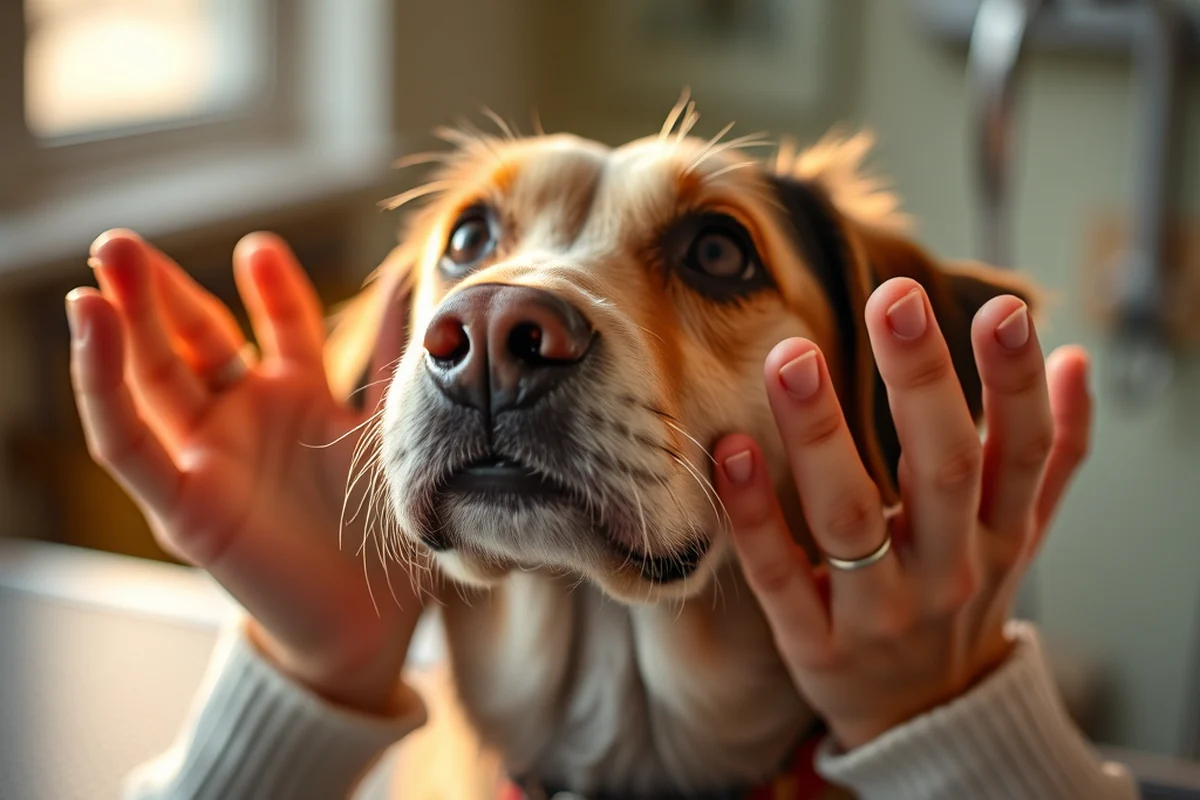
I learned this the hard way when I used a standard deshedding tool on Max. It pulled out a few hairs, but it also caused him to yelp in pain. I switched to a gentler tool, one with softer bristles and a lower resistance setting, and it made a world of difference.
For brushing, a wide-toothed comb is ideal for senior dogs with matted coats. It allows you to work through tangles without pulling on their skin. I also use a soft-bristled brush for their undercoats, as it's less irritating to their sensitive skin.
Nail clippers designed for senior dogs are also important. I now use clippers with a guard to prevent cutting too short, which helps avoid painful mistakes and reduces the need for frequent vet visits.
The right tools can make all the difference in a senior dog's grooming experience.
Related: Senior dog grooming training behavior step by step
Establishing a Gentle Grooming Routine
I started by setting aside a specific time each day for grooming, usually after a walk when Max was relaxed. This helped him associate grooming with positive experiences rather than stress.
Each session starts with a few minutes of gentle petting and praise. I then move on to brushing, using a slow and steady motion. If he shows any signs of discomfort, I stop and give him a break. This has become a ritual we both enjoy.
I've found that keeping the sessions short — around 15 to 20 minutes — is key. If I try to do too much in one go, Max becomes restless and resistant. Breaking it up into smaller chunks helps keep him calm and cooperative.
Breaking grooming sessions into short, positive intervals helps your senior dog stay relaxed and cooperative.
“I remember the first time I tried to brush my 12-year-old golden retriever, Max.”— Brushgently editors
Related: Senior dog grooming training mistakes to avoid
Dealing with Mats and Skin Issues
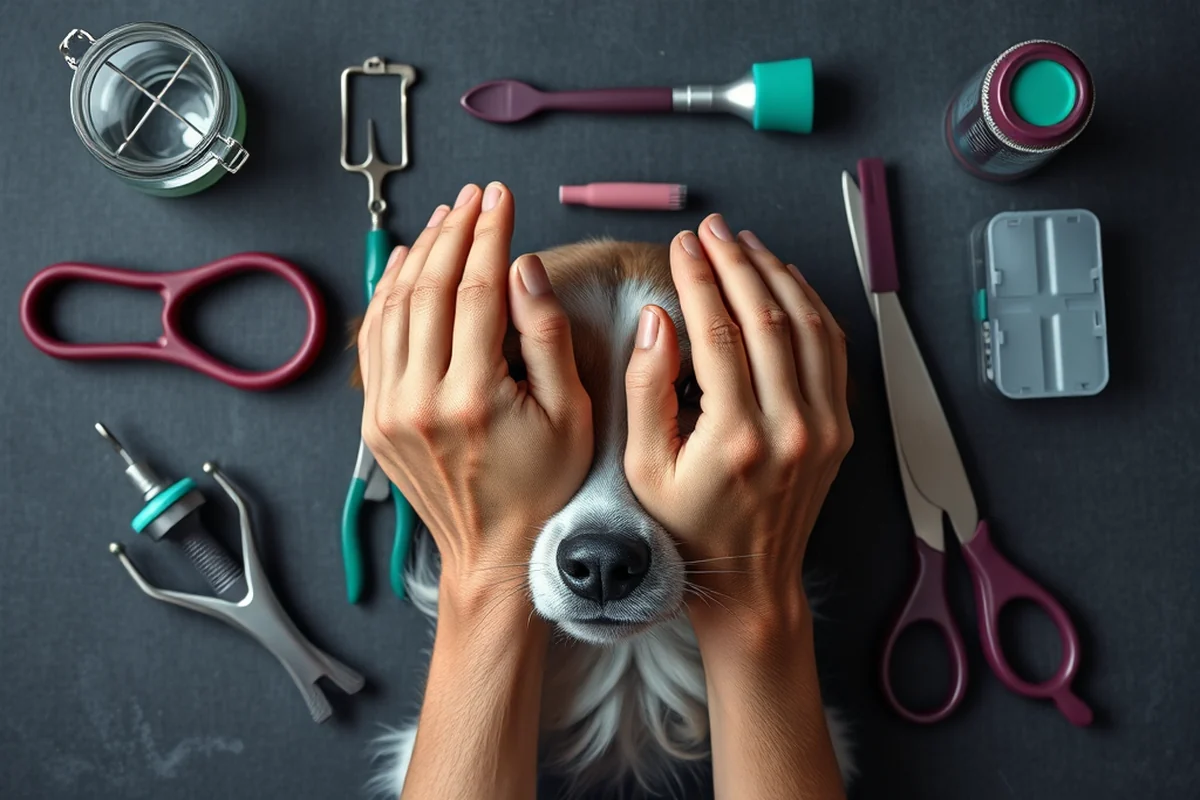
I've learned to approach mats with patience and care. I use a detangling spray to loosen the mats before gently working them out with my fingers. If the mats are too tight, I avoid pulling and instead take a break or seek help from a professional groomer.
Skin issues, like dryness or irritation, can develop from over-bathing or using harsh products. I now use a mild, pH-balanced shampoo and bathe Max only every three weeks. This helps keep his skin healthy without stripping it of natural oils.
I've also started applying a thin layer of moisturizing balm after baths. This helps prevent dryness and keeps his coat soft and manageable. It's a small step, but it makes a big difference in his comfort.
Related: Senior dog grooming training behavior for beginners
When to Seek Professional Help
I've had to take Max to a professional groomer a few times when his mats were too severe to handle at home. It's not always easy — the cost can be around $35 per session — but it's worth it to avoid causing him pain or stress.
Professional groomers have the experience and tools to handle senior dogs' specific needs. They can also spot potential health issues, like lumps or skin infections, that I might miss.
I've also learned that it's important to choose a groomer who is experienced with senior dogs. I now ask for recommendations from local pet communities and read reviews before making a choice.
🦾 Senior Pet
Tailored for older dogs with special needs — focus on comfort and health.
🐶 Small Breed
For small dogs with delicate coats — gentle tools and techniques.
🐾 Multi-Pet Home
Managing grooming for multiple dogs — time-saving strategies and shared tools.
💰 Budget
Affordable grooming options — DIY tools and cost-effective routines.
🧳 Travel
Grooming on the go — portable tools and tips for managing while traveling.
| The mistake | Why it happens | The fix |
|---|---|---|
| Using the wrong tools for a senior dog's coat | This can cause pain, discomfort, or even injury. Senior dogs need gentler tools. | Switch to a wide-toothed comb, soft-bristled brush, and a detangling spray designed for sensitive skin. |
| Forcing a senior dog to stay still during grooming | This can cause stress, anxiety, or even physical harm. Senior dogs may have joint issues or mobility problems. | Use a padded grooming table and allow your dog to take breaks. Always be patient and use positive reinforcement. |
| Over-bathing your senior dog | This can strip their skin of natural oils, leading to dryness and irritation. Senior dogs have more sensitive skin. | Bathe your senior dog no more than once every three weeks and use a mild, pH-balanced shampoo. |
| Ignoring signs of discomfort or pain | This can lead to long-term issues, including resistance to grooming and even behavioral problems. | If your dog shows any signs of discomfort, stop immediately and consult your vet or a professional groomer. |
Related: Senior dog grooming training behavior tips
Senior Dog Grooming Training Guide
Related: Easy senior dog grooming training behavior
Adapting Grooming Techniques for Arthritis and Mobility Issues
Arthritis is common in senior dogs, and grooming can become uncomfortable if not approached carefully. I found that using a heated grooming table with a non-slip surface helps my dog stay calm and stable during sessions. It’s also important to avoid lifting or repositioning the dog unnecessarily. Instead, I use a low, wide platform to allow the dog to step onto it voluntarily, reducing strain on their joints. This small change has made grooming sessions less stressful for both of us.
I’ve also started using a soft, orthopedic support pillow during brushing to cushion their body and reduce pressure on inflamed joints. It’s not just about comfort; it’s about maintaining mobility. I’ve noticed that my dog moves more freely after sessions when the pillow is used, which suggests that proper support during grooming can play a role in their overall joint health. This is especially important for dogs with hip dysplasia or osteoarthritis.
Another adaptation I’ve made is to use shorter grooming sessions, ideally no longer than 10-15 minutes, to prevent fatigue and discomfort. I’ve observed that my dog’s tolerance for grooming decreases as the day progresses, so I now schedule sessions in the early morning when their energy levels are higher. This change has increased cooperation and made the process more efficient.
Managing Sensitivity and Anxiety During Grooming
I’ve noticed that my 12-year-old Labrador, Max, starts trembling when the vacuum is turned on near him during baths. This is a common reaction in senior dogs who may have developed noise sensitivities or cognitive changes. Creating a calm, predictable environment before, during, and after grooming is essential. I begin by brushing him in a quiet room with no sudden movements or loud noises, and I always speak to him in a soft, reassuring tone. This helps him associate grooming with safety and comfort rather than stress.
To further reduce anxiety, I use a pheromone diffuser designed for calming pets, which has made a noticeable difference in his demeanor. I also avoid rushing or making abrupt changes to his routine, as even minor disruptions can trigger fear or confusion. I’ve found that incorporating short, positive interactions like treats or gentle petting before and after grooming sessions helps reinforce positive associations. This approach not only reduces anxiety but also makes the experience more pleasant for both of us.
It’s also important to observe your senior dog’s body language for signs of discomfort or fear, such as tucked ears, low posture, or avoidance behaviors. If you notice these signs, take a break and give your dog time to relax. I’ve learned that patience is key, and sometimes it takes multiple sessions to build trust and ease into a grooming routine. Over time, with consistent, gentle handling, many senior dogs become more relaxed and cooperative during grooming.
Common Questions
How often should I groom my senior dog?
What should I do if my senior dog resists grooming?
Can I use the same grooming tools for senior dogs as I do for younger ones?
How can I tell if my dog's skin is sensitive?
References
- CATALOG - BPPE (bppe.ca.gov)
Cite this guide
Brushgently (2026). Senior Dog Grooming Training Guide. https://brushgently.com/senior-dog-grooming-training-guide/
Feel free to cite or share this guide.