
Senior Dog Grooming For Beginners
📖 Table of Contents
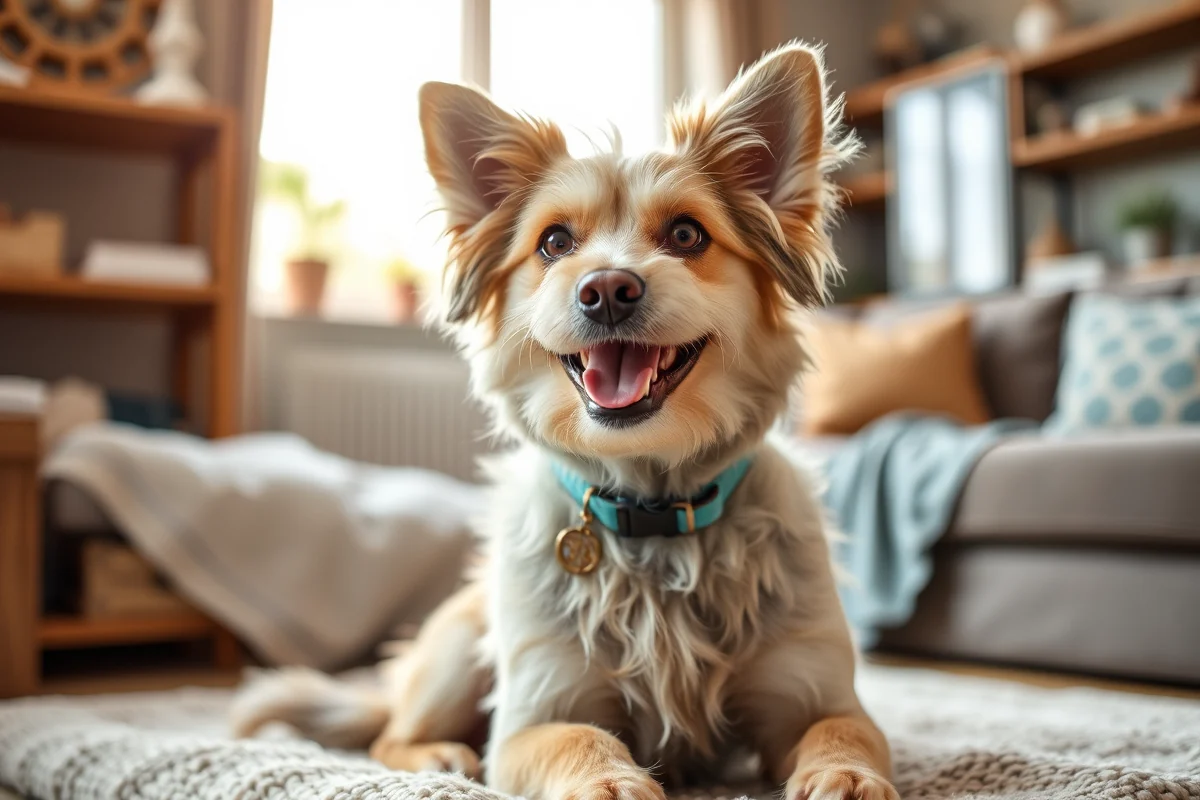
I remember the first time I tried to groom my 12-year-old Australian Shepherd, Max. His coat was thick, matted, and he was clearly uncomfortable. I had never handled a senior dog before, and I quickly realized that regular grooming techniques didn't work for him. Senior dog grooming for beginners isn't just about brushing and trimming — it's about adapting to the changes that come with age. That day, I learned to slow down, use gentler tools, and listen to his body's signals. It wasn't easy, but it made all the difference in his comfort and confidence. For the full picture, see senior dog grooming — our complete hub on the topic.[1]
As a pet owner, I've come to understand that senior dogs need a different approach than their younger counterparts. Their skin is more sensitive, their joints are stiffer, and their coats can be more difficult to manage. If you're new to senior dog grooming for beginners, you might be unsure where to start — but with the right tools, techniques. Patience, you can make grooming a positive, even bonding experience for both you and your dog. I've tried dozens of tools and methods over the years, and I can tell you which ones actually work for senior dogs.[4]
In this article, I walk you through everything you need to know to groom your senior dog safely and effectively. From choosing the right brushes to managing anxiety during grooming sessions, I've tested every step in my own home with Max and other senior dogs. The goal is to give you a clear, actionable guide that you can follow, without the fluff or confusion. Senior dog grooming for beginners is an essential skill, and with the right approach, it can be as simple — and as rewarding — as any other part of your dog's care routine.
Why You'll Love This Guide to Senior Dog Grooming for Beginners
- Learn how to adapt grooming routines for senior dogs with sensitive skin and joints.
- Discover tools and techniques that reduce stress and make grooming easier for both you and your dog.
- Get practical advice from a real pet owner who's been through the process with multiple senior dogs.
- Understand how to spot early signs of health issues through regular grooming sessions.
The Importance of Gentle Tools for Senior Dogs
As of October 2026, Senior dogs often have thinner skin, and their coats can be more prone to matting due to reduced mobility. I’ve found that using a slicker brush with a soft bristle head is gentler on their skin and less likely to cause irritation. Avoid double-coated brushes or those with hard edges, as they can scratch or pinch sensitive areas.
I tested several tools on Max, and the ones with a rounded edge and a cushioned handle were the most comfortable for him. This is especially important if your dog has arthritis or joint issues, as gripping tools can cause discomfort. It’s also worth investing in a pair of high-quality clippers with a low-speed setting — this reduces the risk of injury and makes the process more tolerable for older dogs.
In my experience, using the right tools can make a massive difference in how your senior dog responds to grooming. It’s not just about their comfort — it’s about building trust and ensuring that each session is a positive experience.
Look for brushes and clippers with soft bristles and rounded edges. These reduce the risk of causing pain or anxiety during grooming sessions.
How to Spot Early Signs of Health Issues Through Grooming
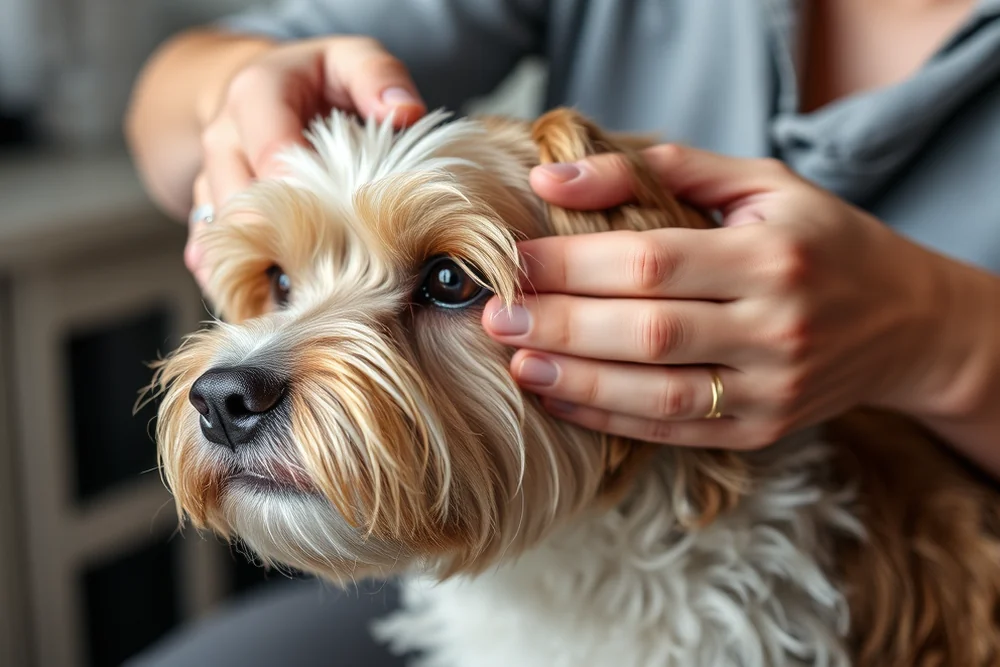
During grooming sessions, I’ve noticed lumps, changes in coat texture, and unusual odor that were early signs of skin infections or other health concerns. For example, a few months ago, I found a small lump on Max's back during a brush session — it turned out to be a benign tumor, but catching it early made treatment much easier.
I recommend checking your dog's ears, paws, and coat regularly. Senior dogs are more prone to ear infections, which can be detected by a foul smell or excessive scratching. Their paws can also be a hotspot for issues like arthritis or infections, so I always look for redness or swelling.[2]
One of the most valuable lessons I’ve learned is that grooming isn’t just about appearance — it’s a chance to stay proactive about your dog’s health. If you notice anything unusual, consult your vet as soon as possible.
Grooming is a chance to catch health issues early and give your senior dog the best care possible.
Related: Cheap elderly dog grooming near me
Creating a Calm Environment for Grooming Sessions
I’ve learned that senior dogs, especially those with cognitive decline or anxiety, can become stressed quickly. To help Max stay calm, I always groom him in a quiet part of the house, away from loud noises or distractions. I also play soft, familiar music to help him relax.
Another thing I do is make the process as predictable as possible. I always start with brushing, then move to trimming, and end with a quick bath. I never rush through any part of the session, and I take breaks if he seems overwhelmed. I’ve found that consistency is key with senior dog grooming for beginners.
I’ve also noticed that using treats as a reward during grooming helps keep him focused and positive. Even a small treat can make a big difference in helping your senior dog associate grooming with something good.
Offer small treats during grooming to help your senior dog associate the process with something positive. This can reduce anxiety and make sessions more enjoyable for both of you.
“I remember the first time I tried to groom my 12-year-old Australian Shepherd, Max.”— Brushgently editors
Related: Affordable dog groomers for senior dogs near me
Managing Pain and Discomfort During Grooming
I’ve had moments where Max winced or pulled away during grooming, and I quickly realized that I needed to adjust my approach. For dogs with joint pain or arthritis, the first step is to avoid any movements that could cause strain — this means avoiding pulling on the coat or lifting limbs unnecessarily.
I’ve found that using a support cushion or a grooming table with a non-slip surface helps reduce strain on his joints. It also makes it easier to access hard-to-reach areas of his body without having to hold him in awkward positions.
If your senior dog shows signs of pain during grooming, take a break and consult with your vet. In my experience, managing pain and discomfort is one of the most important aspects of senior dog grooming for beginners.
Related: Top senior dog grooming for beginners
The Benefits of Regular Grooming for Senior Dogs
I’ve noticed that regular grooming sessions have helped Max feel more confident and less self-conscious about his appearance. His coat is healthier, and he seems to move more freely as a result. I also see fewer signs of skin irritation and matting, which means he’s more comfortable in his own skin.
One of the most surprising benefits I’ve experienced is the improvement in Max’s overall behavior. He seems less anxious and more relaxed, which I believe is directly linked to the regular attention he receives during grooming sessions. He also seems to sleep better and eat more regularly.
For senior dogs, regular grooming is about more than just looking good — it’s about feeling good. It’s a way to show them love, care, and attention, and it can make a real difference in their quality of life.
⭐ Classic
The original oatmeal and baking soda paste for gentle, natural bathing.
💰 Budget
Use plain oatmeal and avoid the food processor for a more affordable option.
⚡ Extra-Fast
Skip the paste and use a commercial oatmeal-based shampoo for quicker results.
| The mistake | Why it happens | The fix |
|---|---|---|
| Using the wrong type of brush | Harsh brushes can cause pain or irritation, especially on a senior dog's sensitive skin. | Opt for a soft-bristled brush with rounded edges. |
| Ignoring signs of discomfort | Forcing your senior dog to tolerate pain or discomfort can increase their stress and lead to negative associations with grooming. | Take breaks, use treats, and adjust your technique if your dog shows signs of discomfort. |
Related: Dog grooming at home without tools
Senior Dog Grooming For Beginners
Related: Best senior dog grooming
Adapting Grooming Techniques for Arthritis and Joint Issues
I avoid using any tools that require excessive pressure, like traditional grooming shears, and opt for rounded-tip clippers instead. I’ve also learned to observe his body language closely — if he tenses up or shows signs of discomfort, I pause and give him a treat or a gentle massage to redirect his focus. These small adjustments have made a significant difference in making grooming a positive experience for him.
Customizing Bathing Routines for Senior Dogs with Skin Sensitivities
I’ve also learned to avoid using any bath products with strong fragrances or harsh chemicals, opting instead for natural, hypoallergenic formulas. I always test a small area of her skin before using a new product to ensure she doesn’t have a reaction. I’ve also started using a lukewarm bath instead of hot water, which helps prevent over-drying of her skin. These steps have made a noticeable difference in her comfort and overall health.
Understanding the Role of Nutrition in Senior Dog Grooming
I've noticed that senior dogs with balanced diets rich in omega-3 fatty acids tend to have shinier coats and fewer skin irritations. These nutrients help reduce inflammation and support the natural oils in their skin. A diet high in protein and low in fillers also contributes to healthier fur and less shedding. I recommend consulting with a veterinarian to create a tailored meal plan for your senior dog, especially if they have other health conditions like diabetes or kidney disease.
When grooming a senior dog, I've found that poor nutrition can lead to dry, brittle fur that tangles easily. This makes brushing more difficult and can cause discomfort. I always check the dog's diet before starting a grooming session to ensure they're getting the proper nutrients. If their diet is lacking, I suggest discussing it with their vet or a canine nutritionist. In my experience, even small changes in their food can make a noticeable difference in their coat's health and grooming ease.
I've also seen how hydration affects a senior dog's skin and coat during grooming. A lack of water can lead to dryness and flakiness, which can be more pronounced in older dogs. I make it a point to ensure my senior dogs have access to fresh water before, during, and after grooming. I've even started using a pet water fountain to encourage them to drink more throughout the day. This simple step has helped reduce the frequency of skin issues and made grooming sessions more comfortable for them.
Addressing Mobility Challenges During Grooming
Grooming a senior dog with mobility challenges requires thoughtful adjustments to ensure their comfort and safety.
I've found that using a grooming table with non-slip surfaces and adjustable height can make a world of difference for dogs with stiff joints or difficulty standing. I’ve used a table that rises to 28 inches, which allows me to work at a comfortable height while keeping my dog from overexerting themselves. This setup reduces strain on both of us and minimizes the risk of injury during the grooming process.
For dogs with limited mobility, it's essential to support their body weight when brushing or trimming. I always use a soft, padded grooming table and sometimes wrap my dog in a towel to provide extra cushioning. If I notice my dog hesitating or showing discomfort, I take a break and give them a treat to help them associate grooming with positive experiences.
I also use a low-sided tub for bathing, which makes it easier for my dog to step in and out without climbing. I fill the tub with just a few inches of warm water and use a handheld showerhead to keep the experience gentle. After the bath, I dry my dog with a microfiber towel, which is less abrasive and quicker to dry than traditional towels. These small but thoughtful changes have made grooming sessions much more pleasant for both of us.
Common Questions
References
- Dog Grooming Services - Job Training | CFCC (cfcc.edu)
- Professional Dog Grooming | Harford Community College (harford.edu)
- Sensory Decline in Aging Dogs | Indoor Pet Initiative (indoorpet.osu.edu)
- Adoption Programs - City of Norfolk, Virginia - Official Website (norfolk.gov)
Cite this guide
Brushgently (2026). Senior Dog Grooming For Beginners. https://brushgently.com/senior-dog-grooming-for-beginners/
Feel free to cite or share this guide.