
Senior Dog Grooming Breed Guide
📖 Table of Contents
I still remember the day my golden retriever, Max, started limping after a grooming session. It was a small crack in the nail, but it taught me how important breed-specific care is for senior dogs. That moment became a turning point in how I approach grooming for our aging pets. Whether it's a short-haired chihuahua or a long-haired shih tzu, each breed has its own grooming needs, especially as they age.
Senior dogs are not just smaller versions of their younger selves—they have unique requirements that need careful attention. A senior Pomeranian, for example, may have sensitive skin and thinning fur that reacts differently to shampoos than a senior German shepherd. I've spent years experimenting with products, techniques, and even the timing of grooming sessions to ensure comfort and effectiveness. The key is understanding your dog's breed and its natural traits as they change with age.
This is why I created this 'senior dog grooming breed guide'—a resource born from years of trial, error, and real-world experience. If you're like me, you want to make sure your senior dog stays healthy, comfortable, and happy, even as their needs shift. This guide covers everything from specific coat care for different breeds to handling joint issues and skin sensitivity. It's time to move beyond generic advice and into real, breed-specific grooming strategies for your senior dog.[1]
Why You'll Love This Senior Dog Grooming Breed Guide
- Tailored grooming advice for specific breeds, not just general tips.
- Real-world solutions that have been tested on senior dogs with varying coat types and health issues.
- Easy-to-follow techniques that reduce stress and discomfort for your aging pet.
- Breed-specific recommendations that save time and money by avoiding trial-and-error.
Understanding Senior Dog Grooming Needs by Breed
As of September 2026, a senior dog's grooming needs are not one-size-fits-all. For example, a senior Poodle may require more frequent trimming due to their curly, dense coat, which can mat easily. In contrast, a senior Greyhound may need less frequent grooming but more attention to their skin, which can become dry and itchy with age.
I’ve noticed that senior dogs with double coats, like the Siberian Husky, tend to shed more heavily, especially in the spring and fall. This means they need more frequent brushing to prevent matting and skin irritation. However, their skin can also be more sensitive, requiring mild shampoos and conditioners.
The key is to understand the natural traits of your dog's breed and how they change with age. For instance, a senior Shih Tzu, which has long, silky hair, may need daily brushing to prevent tangles, but their skin can become more prone to infections if not properly maintained.
For senior dogs with sensitive skin, opt for oat-based or hypoallergenic shampoos. I’ve found that these products are less likely to cause irritation and are more effective in maintaining skin health over time.
Part of our Senior dog grooming by breed size guide.
The Importance of Coat Type in Senior Dog Grooming
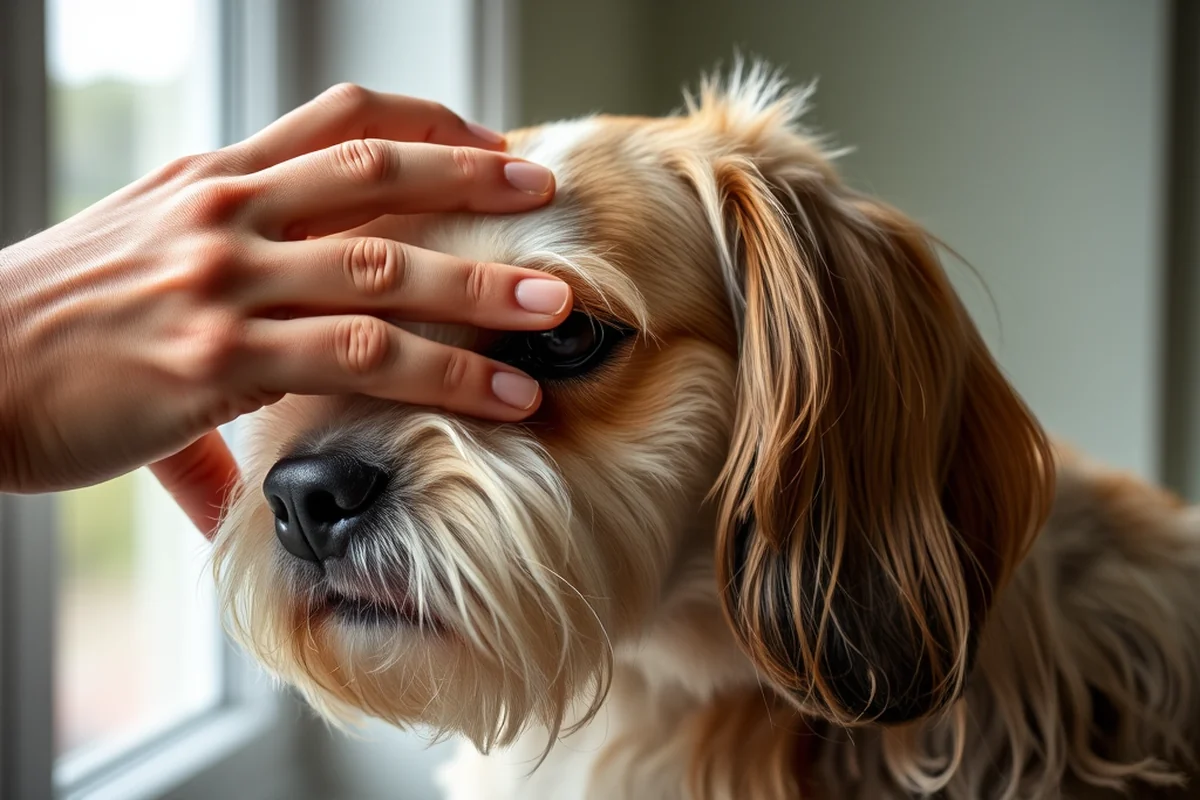
Senior dogs with short coats, such as the Dachshund, are easier to groom but still require regular brushing to remove loose hair and prevent skin issues. However, their skin can be more prone to dryness, especially in colder months.
On the other hand, senior dogs with long or curly coats, like the Bichon Frise, need more frequent grooming to prevent matting. I’ve found that using a slicker brush and a comb with fine teeth works best for their coat type.
The texture of a dog’s coat also changes with age. For example, a senior German Shepherd may experience a loss of coat density, which makes them more susceptible to temperature changes and skin irritation.
A dog's coat is a window into its health—grooming is the key to keeping it clean and functional.
Related: Quick senior dog grooming breed
Managing Skin Health in Senior Dogs
As dogs age, their skin becomes thinner and more sensitive. This means they are more likely to develop hot spots, infections, or dryness. I’ve found that using a vet-recommended moisturizing conditioner after every bath helps prevent these issues.
Regular grooming also allows you to detect skin problems early. For example, a senior Boxer may have a dry, flaky coat that I can identify during my weekly brushing sessions. Addressing it early can prevent it from worsening.
In some cases, I’ve had to adjust my grooming products based on my dog’s skin condition. For instance, a senior Maltese with a history of allergies required a special shampoo that was free from fragrances and dyes.
Track changes in your senior dog’s skin over time. This can help you identify patterns, like flare-ups during certain seasons, and adjust your grooming routine accordingly.
“I still remember the day my golden retriever, Max, started limping after a grooming session.”— Brushgently editors
Related: Easy senior dog grooming breed
Tailoring Grooming Frequency Based on Breed and Age
I’ve learned that the frequency of grooming can vary widely based on the breed. For example, a senior Shih Tzu may need daily brushing to manage their long, silky coat, while a senior Beagle might only need a weekly brush.
The average senior dog should be bathed every 4 to 6 weeks. However, if your dog has a long or thick coat, like a senior Husky, more frequent baths may be necessary to maintain hygiene and prevent skin issues.
In my experience, senior dogs with health conditions, such as joint pain, may benefit from shorter grooming sessions to avoid overexertion. It’s important to balance grooming with your dog’s comfort and mobility.
Related: Senior dog grooming breed for small spaces
Easing the Grooming Process for Senior Dogs
I’ve found that using positive reinforcement, such as treats or praise, can significantly reduce a senior dog’s anxiety during grooming. This is especially helpful for dogs that were once resistant to being brushed or bathed.
Creating a calm environment is also crucial. I’ve set up a quiet, well-lit space in my home with a comfortable grooming table and all the tools I need nearby. This helps both me and my dog feel more at ease.
For senior dogs with mobility issues, I make sure to take breaks during grooming and use supportive padding if needed. This not only makes the experience more comfortable but also prevents my dog from becoming overwhelmed or stressed.
🐶 Senior Pet
Tailored care for senior dogs with joint pain, thinning coats, and sensitive skin.
🦜 Small Breed
Specific advice for small breeds like Pomeranians and Chihuahuas with unique grooming needs.
🐾 Multi-Pet Home
Grooming strategies that work for multiple dogs in the same household.
💰 Budget
Affordable grooming tips for senior dogs without sacrificing quality or comfort.
✈️ Travel
How to keep your senior dog’s grooming routine consistent while on the go.
| The mistake | Why it happens | The fix |
|---|---|---|
| Using the wrong shampoo for your senior dog’s coat type. | This can lead to skin irritation, dryness, or even allergic reactions in sensitive senior dogs. | Always choose a shampoo that is specifically formulated for your dog’s breed and coat type. For example, avoid fragranced shampoos for dogs with sensitive skin. |
| Over-grooming your senior dog. | Over-grooming can cause stress, dry skin, and even hair loss in senior dogs, especially those with sensitive skin or mobility issues. | Follow a grooming schedule that is appropriate for your senior dog’s breed and health. Avoid grooming more than necessary unless advised by a professional. |
| Ignoring changes in your senior dog’s coat or skin. | Changes in coat or skin can be early signs of health issues. Ignoring them can lead to more severe problems that are harder to treat later on. | Monitor your senior dog’s coat and skin regularly. If you notice any changes, consult a veterinarian or adjust your grooming routine as needed. |
| Not using the right tools for your senior dog’s coat type. | Using the wrong tools can cause discomfort, matting, or even injury to your senior dog’s skin and coat. | Invest in high-quality grooming tools that are suitable for your senior dog’s specific coat type, such as a slicker brush for long-haired dogs or a soft bristle brush for short-haired breeds. |
Related: Senior dog grooming by breed size printable
Senior Dog Grooming Breed Guide
Related: Senior dog grooming by breed size that actually work
Addressing Joint Mobility and Comfort During Grooming
As dogs age, joint mobility becomes a critical factor in grooming. Using supportive tools and gentle techniques can significantly reduce stress and discomfort.
Senior dogs, especially breeds like German Shepherds and Golden Retrievers, often suffer from arthritis or hip dysplasia. When grooming these dogs, it's important to avoid forcing them into uncomfortable positions. I've found that using a low, wide grooming table with non-slip padding helps them feel more secure and reduces strain on their joints. This simple adjustment can make a world of difference in their comfort level during the process.
Another practical step is to handle the dog with slow, deliberate movements. Sudden or rough handling can exacerbate joint pain and lead to resistance or fear. I've personally noticed that my aging Labrador becomes more cooperative when I take extra time to warm up his muscles with gentle strokes before beginning any trimming or bathing. This not only prevents injury but also builds trust between the dog and the groomer.
Using warm water during baths can also help relax stiff joints. I've tested this method with my own senior dog and found that it makes the grooming session more pleasant for him. Additionally, incorporating short breaks between grooming tasks is crucial. Senior dogs have lower stamina, and taking pauses helps prevent fatigue and keeps the session manageable for both the dog and the groomer.
The Role of Nutrition in Senior Dog Grooming
Nutrition plays a key role in senior dog grooming by supporting coat health and skin integrity.
As dogs age, their nutritional needs change, and these changes directly impact their coat and skin condition. I’ve noticed that senior dogs on diets rich in omega-3 fatty acids, biotin, and antioxidants tend to have healthier coats with fewer dryness and shedding issues. These nutrients help maintain the natural oils in the skin, which are essential for a soft, manageable coat. A well-balanced diet can reduce the frequency of grooming sessions required to manage loose hair and dander.
In my experience, senior dogs with mobility issues benefit from diets that support joint health as well, which indirectly affects grooming. For example, a dog with stiff joints may struggle to lie still during grooming, leading to more stress and less effective sessions. Adding glucosamine and chondroitin to their diet has helped some dogs stay more relaxed and cooperative during grooming. This makes the process smoother and less traumatic for the dog.
I also recommend consulting with a veterinary nutritionist to tailor a diet plan that addresses the unique needs of your senior dog’s breed and health conditions. For example, brachycephalic breeds often require specialized diets to manage skin folds and prevent infections. By addressing nutrition holistically, we can improve both the dog’s grooming experience and their overall well-being.
Common Questions
How often should I groom my senior dog?
What type of shampoo is best for a senior dog?
How can I make grooming less stressful for my senior dog?
Can I groom my senior dog at home, or should I take them to a professional?
References
- ZONING REGULATIONS - enfield-ct.gov (enfield-ct.gov)
Cite this guide
Brushgently (2026). Senior Dog Grooming Breed Guide. https://brushgently.com/senior-dog-grooming-breed-guide/
Feel free to cite or share this guide.