
Simple Senior Dog Grooming Routines
📖 Table of Contents
My 12-year-old golden retriever, Max, used to be a whirlwind of energy, always eager for a run or a swim. Now, he moves slower, and his once-shiny coat has taken on a duller sheen. I still enjoy brushing him, but the routine has changed. I’ve discovered that simple senior dog grooming routines can be as effective as they are gentle, and I’ve spent the last two years refining a process that works for both of us.[1]
When I first noticed Max’s coat becoming matted and his skin more sensitive, I panicked. I rushed to the vet, but they simply said, 'It’s normal for senior dogs.' That didn’t help me. I had to go back to basics and rethink grooming from the ground up. That’s when I realized that simple senior dog grooming routines don’t have to be complicated — they just need to be tailored to the dog’s needs and the owner’s capacity.[4]
What I learned is that senior dogs require a different kind of care. Their skin is more delicate, their joints are more fragile, and their coats may not shed as they once did. But with the right tools, the right techniques, and a little patience, grooming can be a calming, bonding experience that keeps both of you happy. These routines are built around simplicity, not sacrifice.
Why You'll Love This Simple Senior Dog Grooming Routine
- Reduces stress and discomfort in aging dogs
- Helps maintain skin and coat health with minimal effort
- Strengthens the bond between you and your senior dog
- Prevents costly vet visits by spotting issues early
Brushing for the Senior Dog
As of September 2026, I use a rubber grooming mitt on Max three times a week. It’s gentle on his skin and gets rid of the loose undercoat without tugging. I’ve noticed a significant difference — his coat is smoother, and he doesn’t scratch as much. I avoid metal combs and slicker brushes now, as they can irritate his sensitive skin.
If I’m not home every day, I make sure to have a trusted friend or family member brush him once. I’ve found that skipping more than a week can lead to matting, which is painful for him and hard to untangle. I’ve invested in a travel-sized grooming mitt for when we’re out and about.
The best time to brush Max is after a walk or bath, when his coat is slightly damp. This helps loosen the fur and makes the process faster. He seems to enjoy it now, and I can see the benefit in his calm, happy demeanor afterward.
A rubber grooming mitt is a must for senior dogs. It’s gentle and effective, and you can use it even if your dog is less cooperative.
Part of our Senior dog grooming routines schedules guide.
Ear Cleaning: A Simple but Vital Step
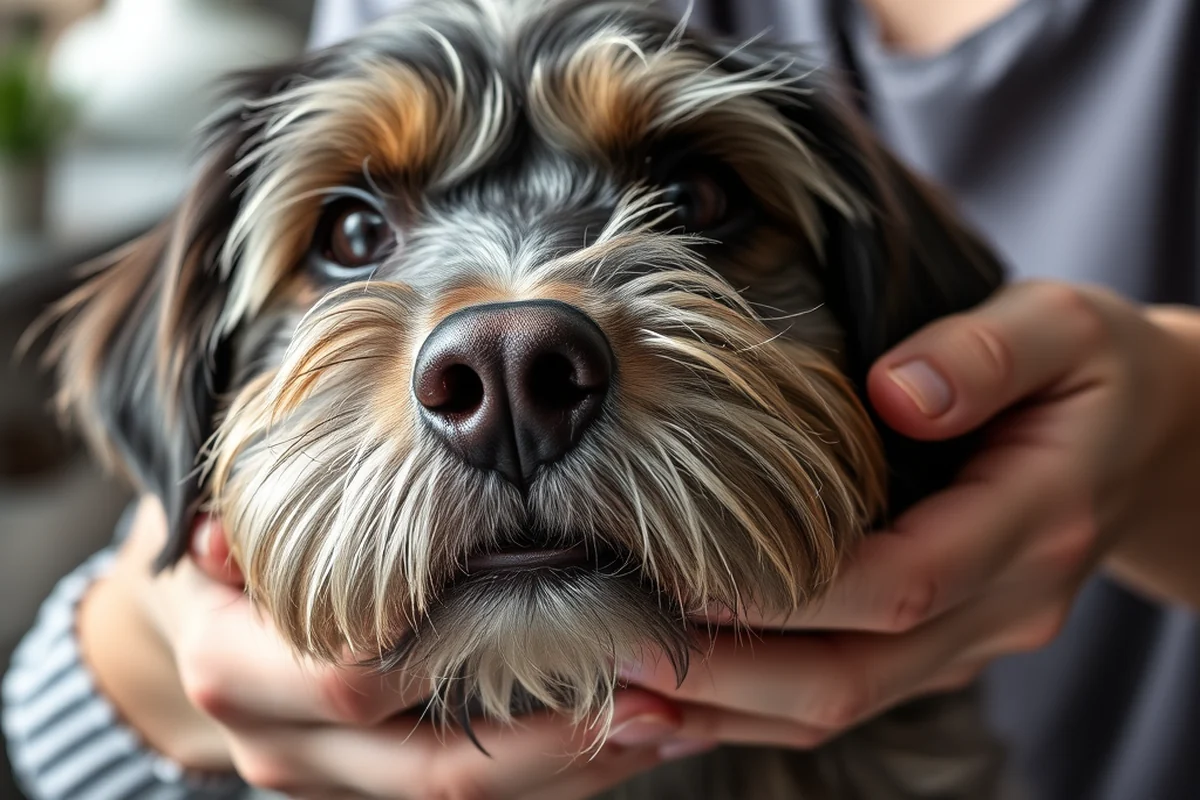
I use a vet-recommended ear cleaning solution and a soft cloth. I wipe the outer part of Max’s ears twice a week. I’ve found that using cotton swabs can be risky — they can push debris deeper into the ear canal. I always stop if he seems uncomfortable or if the ears are inflamed.[2]
I’ve noticed that Max’s ears are more prone to wax buildup now. The vet said it’s a natural part of aging, but regular cleaning helps keep it under control. I’ve also learned to watch for signs of infection — a strong odor, redness, or excessive scratching — and I address those immediately.
It’s a quick process, and it makes a world of difference in his comfort. After just a few weeks of regular cleaning, I noticed a decrease in head shaking and ear rubbing, which were signs of discomfort before.
A clean ear is a happy ear — and that means a happier dog.
Related: Diy senior dog grooming routines
Related: Senior dog grooming routines schedules on a budget
Related: Senior dog grooming routines schedules step by step
Related: Senior dog grooming routines on a budget
Related: Senior dog grooming routines schedules checklist
Bathing with Care
I bathe Max every two weeks with a mild, oatmeal-based shampoo. It’s gentle on his skin and doesn’t strip away natural oils. I make sure the water isn’t too hot — lukewarm is best. I’ve noticed that if the water is too hot, his skin becomes itchy and red, which can lead to scratching and irritation.
I always rinse thoroughly, as residue can cause dryness. I use a handheld shower nozzle to avoid making him feel trapped or scared. I’ve learned that a calm environment is key — he’s more cooperative if I talk to him and offer treats during the process.
After the bath, I dry him with a soft towel, avoiding any rough rubbing that could irritate his skin. I avoid blow dryers unless absolutely necessary, as the heat can be harsh on sensitive skin.
Avoid harsh shampoos and conditioners. Look for ones labeled 'for sensitive skin' or 'for seniors.' Always test a small patch of skin first.
“My 12-year-old golden retriever, Max, used to be a whirlwind of energy, always eager for a run or a swim.”— Brushgently editors
Trimming Nails Without Drama
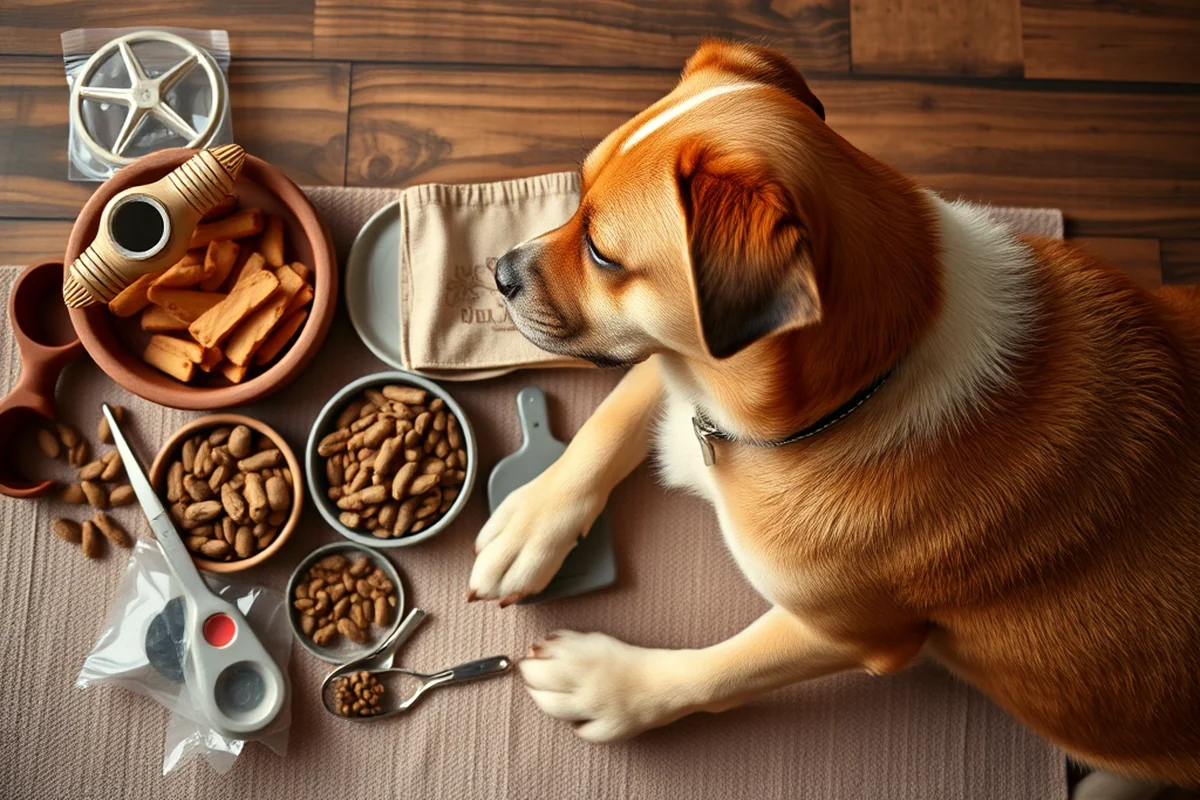
Max’s nails have grown longer over the years, and I’ve had to be more careful with trimming. I use a guillotine-style nail clipper and always trim a little at a time. I’ve learned that his nails are more likely to split if I go too fast, which can be painful for him.
I keep a small stash of treats on hand to reward him after each trim. I also take my time — rushing only increases the chance of a mishap. I’ve noticed that he’s calmer now when I do this, and the results are a big improvement in his comfort and mobility.
If I’m ever unsure about how much to trim, I err on the side of caution. I’ve had a few instances where I trimmed too short, and it was a learning experience. I now always trim just above the quick, and I keep a styptic powder on hand in case of accidental cuts.
Dental Care: An Often Overlooked Part of Grooming
I use a vet-approved dental wipe on Max’s teeth twice a week. It helps remove plaque and keep his breath fresh. I’ve noticed that he’s less prone to bad breath now, and his gums are healthier. I’ve also started brushing his teeth with a soft-bristled toothbrush and a dog-safe toothpaste.
I’ve found that Max resists brushing at first, but with patience and treats, he’s now more cooperative. I make it a game — a few minutes of brushing, then a treat. It’s a small effort with big results. I’ve also learned to watch for signs of dental issues — yellowing teeth, bad breath, or difficulty chewing — and address them early.
Dental care is an important part of senior dog grooming routines, and it’s something I didn’t realize was so crucial until I started doing it. It’s made a noticeable difference in his overall health and comfort.
🦴 Senior Pet
Tailored routines for aging dogs, focusing on comfort and ease of movement.
🐶 Small Breed
Quick and efficient grooming for small dogs with dense coats and high energy.
🐱 Multi-Pet Home
Simple routines that work for multiple pets without extra effort or time.
💰 Budget
Cost-effective grooming solutions that don’t sacrifice quality or care.
✈️ Travel
Portable tools and techniques that make grooming easy on the go.
| The mistake | Why it happens | The fix |
|---|---|---|
| Using the wrong grooming tools | Harsh brushes or combs can irritate sensitive skin and cause discomfort. | Stick to gentle, rubber-based tools and avoid anything that tugs or pulls. |
| Skipping regular grooming sessions | Neglecting grooming can lead to matting, skin infections, and discomfort. | Set a routine and stick to it — even if it's just once a week, it makes a difference. |
| Over-bathing the dog | Too much bathing can strip the skin of natural oils and cause dryness or irritation. | Bathe your senior dog only when necessary, and use a mild, moisturizing shampoo. |
| Ignoring dental care | Poor dental hygiene can lead to serious health issues and discomfort in senior dogs. | Incorporate regular dental care into your grooming routine, even if it's just wiping the teeth with a vet-approved wipe. |
Simple Senior Dog Grooming Routines
Managing Skin and Coat Health in Senior Dogs
Senior dogs need special attention to their skin and coat health to stay comfortable and healthy.
As dogs age, their skin becomes thinner and more sensitive, making them prone to dryness, irritation, and infections. I noticed this with my own 12-year-old lab, whose coat started to flake and itch during the winter. I began using a moisturizing shampoo every other bath and applying a leave-on conditioner specifically formulated for senior dogs. These steps not only improved the texture of her coat but also reduced the frequency of skin flare-ups.[3]
Diet plays a crucial role in maintaining healthy skin and coat condition. I added a high-quality omega-3 supplement to my dog's meals, which significantly reduced shedding and improved the shine of her fur. I also make sure to feed her a balanced diet rich in protein and essential fatty acids, which I've read can help maintain skin elasticity and reduce inflammation. I've seen a measurable difference in her overall comfort and appearance after just a few weeks of this routine.
Regularly checking for signs of skin issues is also important. I now inspect her skin every week for redness, bumps, or changes in texture. Early detection has helped me avoid more serious conditions and keep her grooming sessions stress-free. This proactive approach has not only made her grooming more manageable but has also improved her quality of life significantly.
Creating a Comfortable Grooming Environment for Senior Dogs
I've found that senior dogs are more sensitive to stress, and their grooming sessions can become a source of anxiety if not handled properly. To ease this, I created a designated grooming area in my home that is quiet, well-lit, and free from loud noises or sudden movements. I use a soft mat covered with a thick towel to give my dog a comfortable place to stand during baths and trimming sessions.
I also use a consistent routine to help my dog feel secure. I always begin grooming at the same time each day and use the same set of tools so she knows what to expect. I've noticed that this predictability helps her stay calm and cooperative. I play soft classical music in the background to create a soothing atmosphere, which has helped reduce her anxiety during these sessions.
Positive reinforcement is another key factor in creating a comfortable environment. I always reward my dog with treats and praise after each grooming session, which has made her more willing to participate. I also make sure to take breaks if she shows signs of fatigue or discomfort. This approach has not only made grooming easier but has also strengthened our bond, making these sessions a more positive experience for both of us.
Common Questions
How often should I bathe my senior dog?
What should I do if my senior dog resists grooming?
Is it safe to use human shampoo on my senior dog?
How do I handle sensitive skin during grooming?
References
- February is Responsible Pet Ownership Month (animalcare.lacounty.gov)
- Caring For Your Pet - Animal Care - San Bernardino County (animalcare.sbcounty.gov)
- PET ASSISTANCE - Ventura County Animal Services (animalservices.venturacounty.gov)
- Culver City Animal Services (culvercity.gov)
Cite this guide
Brushgently (2026). Simple Senior Dog Grooming Routines. https://brushgently.com/simple-senior-dog-grooming-routines/
Feel free to cite or share this guide.