
Essential Senior Dog Grooming Ideas
📖 Table of Contents
I remember the first time I tried to groom my 12-year-old golden retriever, Max. He was trembling, his coat was matted, and he looked like a scared little puppy. I had no idea how to approach it without making things worse. That’s when I realized I needed to learn the essential senior dog grooming ideas — not just for his comfort, but for his health and happiness. Senior dogs have unique needs, and ignoring them can lead to skin irritation, infections, and even behavioral issues.[1]
After months of trial and error, I came up with a routine that worked for Max. It involved gentle brushing, regular check-ups for dry skin, and even some changes in the way I bathed him. Every dog is different, but I’ve found that the essential senior dog grooming ideas can be adapted to suit even the most sensitive senior dog. Whether your dog is a high-energy terrier or a slow-moving lab, these tips can make all the difference in their quality of life.[3]
What really stood out to me was the importance of frequency. For Max, we started with once-a-week grooming sessions, and over time, he became more cooperative. I learned that the key to successful senior dog grooming isn’t just the tools or the products — it’s the patience and the care you put into each session. The essential senior dog grooming ideas aren’t just about making your dog look good; they’re about ensuring their comfort and well-being.
Why You'll Love This Senior Grooming Guide
- Prevent skin infections with regular brushing and bathing.
- Reduce stress by creating a calm, predictable grooming environment.
- Improve mobility by trimming excess fur around joints and paws.
- Catch health issues early through routine check-ups during grooming.
The Importance of Gentle Brushing for Senior Dogs
As of August 2026, I’ve found that brushing my 12-year-old golden retriever with a soft bristle brush twice a week makes a noticeable difference in his coat health. His fur is less prone to tangles, and he doesn’t get itchy as often. The key is to use the right tools — for senior dogs, a wide-toothed comb or a slicker brush works best. I always start from the head and move down the body, working gently to avoid pulling on mats.[2]
Regular brushing can also help reduce shedding, which is especially important for senior dogs who may have thinning coats. If I notice any redness, bumps, or dry patches during brushing, I know to check with my vet. For Max, I’ve used a detangling spray that contains aloe vera, which helps loosen knots without causing irritation.
One of the most important lessons I’ve learned is to never force a brush through a mat. It can cause pain and even lead to skin infections. If I run into a tough knot, I’ll apply a bit of conditioner and let it sit for a few minutes before gently working it out. This approach has saved me from many stressful grooming sessions with Max.
For senior dogs, always use a wide-toothed comb or a soft bristle brush. These tools are less likely to cause irritation and help prevent matting. I keep a few extra brushes on hand just in case.
Part of our Senior dog grooming guide.
Bathing: When, How, and Why It Matters
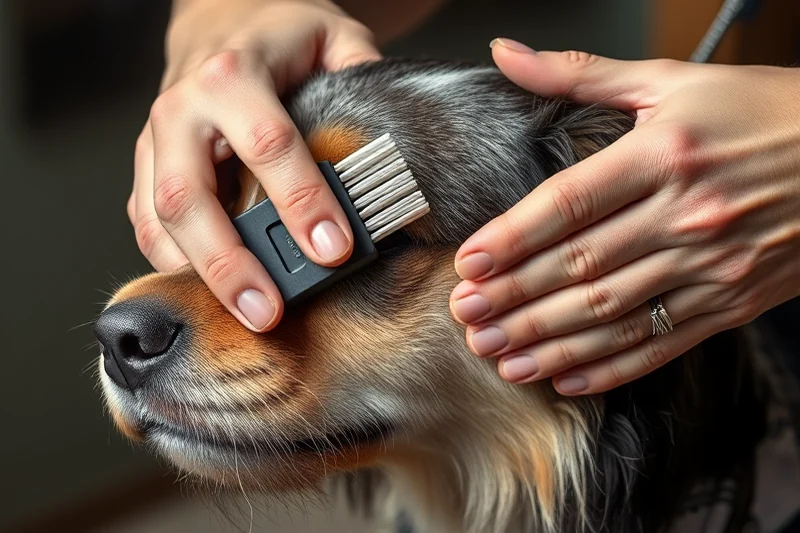
I’ve learned that over-bathing can strip the natural oils from a senior dog’s skin, leading to dryness and irritation. For Max, I now bathe him every four to six weeks, depending on how dirty he gets. I use a mild, senior-specific shampoo that’s free of harsh chemicals and fragrances. It’s important to rinse thoroughly — I always use lukewarm water and take extra time to ensure the soap is fully washed out.
Before each bath, I brush him to remove any mats, which helps prevent the shampoo from getting trapped in knots. I also apply a conditioner after the bath to keep his coat soft and hydrated. Max doesn’t seem to mind the bath anymore — in fact, he now enjoys the water and even waits by the bathroom for his turn.
I’ve noticed that using a bath mat helps keep Max from slipping on the tile. It’s a small detail, but it makes a big difference in safety. I always make sure the room is warm and draft-free, as senior dogs can be more sensitive to temperature changes.
Bathing senior dogs with care can prevent dry skin and maintain their coat’s health — it’s not just about cleanliness, it’s about comfort.
Related: Senior dog grooming ideas alternatives
Related: Free pet grooming for seniors
Related: Dog grooming at home comparison
Related: Small elderly dog grooming near me
Related: Senior Dog Grooming Behavior Ideas
Related: What Is Pet Grooming Services
Related: Senior Dog Grooming Breed Ideas
Related: Senior Dog Grooming Guidance Ideas
Related: Senior Dog Grooming Comparison
Related: Essential Dog Grooming For Beginners At Home
Related: Senior Dog Grooming Ideas
Related: Simple Senior Dog Grooming Ideas
Related: A Dog Clip Art
Related: Senior Dog Grooming Training Ideas
Trimming and Cutting: Safety First
Trimming a senior dog’s fur can be tricky, especially if they have mobility issues or are uncooperative. For Max, I’ve found that using clippers with a lower speed setting helps minimize noise and vibration, making the process less stressful for him. I also use a long-blade attachment to avoid cutting too much at once.
I always start with the areas that are easiest to reach — the back and sides — and work my way toward the more sensitive spots like the face and paws. I take my time, using a steady hand and keeping the clippers moving to avoid burns from prolonged contact. It’s important to keep the dog calm and distracted, so I’ll sometimes offer a treat or a favorite toy during the session.
If I ever feel unsure about trimming a certain area, I’ll skip it and return to it later or consult a professional groomer. Safety is the priority, and it’s better to be cautious than to risk an injury. I’ve learned that even a small cut can be a big deal for a senior dog with slower healing.
For senior dogs, always use clippers with a lower speed setting and a long-blade attachment. This reduces the risk of accidental cuts and minimizes stress. I also take frequent breaks to check for any signs of discomfort.
“I remember the first time I tried to groom my 12-year-old golden retriever, Max.”— Brushgently editors
Health Checks: What to Look For During Grooming
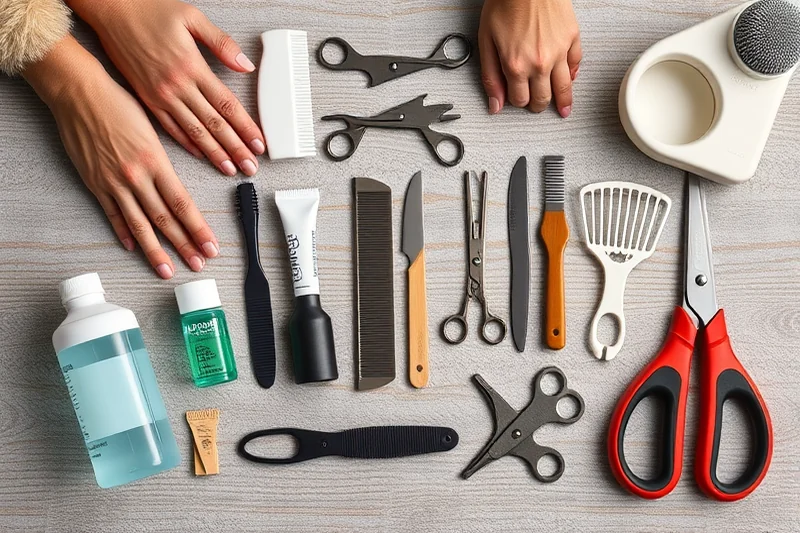
During every grooming session with Max, I make it a point to run my hands over his body, checking for any bumps, lumps, or areas of dryness. I’ve noticed that senior dogs are more prone to skin infections and tumors, so early detection is key. I also pay close attention to the texture of his fur — if it feels patchy or if there are areas of baldness, I know it’s time to see the vet.
I’ve learned that regular ear cleaning is also an important part of senior dog grooming. I use a gentle ear wipe with a cotton ball and a bit of ear cleaner to keep his ears clean and free of wax buildup. If I notice any redness, swelling, or a foul odor, I know to contact the vet immediately.
Another thing I’ve started doing is checking Max’s paws for any cuts, cracks, or swelling. As senior dogs are more prone to joint issues, keeping their paws in good condition can help with their mobility. I also inspect his nails regularly, trimming them as needed to prevent overgrowth and discomfort.
Creating a Calm Grooming Environment
I’ve found that setting up a dedicated grooming area helps Max feel more comfortable during his sessions. I use a soft mat on the floor and have a few of his favorite toys nearby to keep him distracted. I also try to groom him at the same time every day, so he knows what to expect.
Music and scent also play a role in creating a calm environment. I’ve discovered that playing soft classical music in the background helps Max relax. I also use a lavender-scented diffuser, which has a calming effect on him. I make sure the room is warm and free of drafts — senior dogs can be more sensitive to temperature changes.
I’ve also learned that rewarding Max with treats and praise after each grooming session helps reinforce positive behavior. He now associates grooming with something good, and he’s much more cooperative. This approach has made the whole process easier for both of us.
⭐ Classic
The traditional grooming method using a gentle shampoo and conditioner for regular maintenance.
💰 Budget
A cost-effective approach using store-brand products and minimizing grooming frequency.
⚡ Extra-Fast
A quicker version of the routine, ideal for dogs who are particularly sensitive or uncooperative.
✨ Depth
A more thorough grooming session, including full-body checks and detailed health monitoring.
🥗 Light
A minimalist approach with a focus on basic brushing and spot cleaning.
| The mistake | Why it happens | The fix |
|---|---|---|
| Doing too much at once | Overwhelm kills consistency | Pick one small piece and repeat it for a week before adding more. |
| Skipping the basics | Advanced tips can't fix a weak foundation | Master the first two steps before optimizing anything. |
What You'll Need tap to check off
- 1 lb Detergent-Free Shampoo
- ½ cup Conditioner
- Detangling Spray
Method tap a step when done
- Prepare a warm bath with lukewarm water. Make sure the room is draft-free and the temperature is comfortable for your senior dog.
- Brush your dog thoroughly with a wide-toothed comb or a soft bristle brush to remove any mats or tangles. Apply a detangling spray if needed.
- Apply the detergent-free shampoo, lathering it into the coat and massaging it gently into the skin. Be sure to avoid the eyes, ears, and face.
- Rinse the shampoo thoroughly with lukewarm water, ensuring no residue is left behind. This is crucial to prevent skin irritation.
- Apply a conditioner to the coat, focusing on the areas that need extra hydration. Let it sit for a few minutes before rinsing it out.
- Dry your senior dog with a soft towel or a blow dryer on a low setting. Be gentle and avoid over-drying to prevent skin irritation.
Key Facts
Essential Senior Dog Grooming Ideas
Common Questions
How often should I groom my senior dog?
What tools do I need for senior dog grooming?
Can I use regular shampoo on my senior dog?
How do I handle a senior dog who is uncooperative during grooming?
References
- Essential Senior Services, LLC - Minnesota's State Portal (mn.gov)
- Dog Grooming At Home Checklist For Senior Pet Owners (shapeoptimize.sci.utah.edu)
- Senior Dog Care Template For Seniors - DID YOU KNOW! (slashtest.huit.harvard.edu)
Cite this guide
Brushgently (2026). Essential Senior Dog Grooming Ideas. https://brushgently.com/essential-senior-dog-grooming-ideas/
Feel free to cite or share this guide.